
 By hassantariq
Bread is one of those everyday foods most of us eat without thinking. Toast at breakfast, a sandwich at lunch, naan with dinner, or a quick slice when we are hungry. So when your stomach starts hurting after eating bread, it can feel confusing. You may wonder, “Why does my stomach hurt after eating bread when I used to eat it normally?”
There is not always one simple answer. Bread can trigger discomfort for different reasons, including gluten sensitivity, celiac disease, wheat allergy, irritable bowel syndrome, FODMAP sensitivity, overeating, additives, or even what you eat with the bread. This guide explains the most common possibilities in plain language, what symptoms to notice, what you can try safely, and when it is better to speak with a doctor.
Why Does My Stomach Hurt After Eating Bread?
Stomach pain after bread does not automatically mean you have a serious condition. But it is a signal worth paying attention to, especially if it happens repeatedly.
Bread can cause discomfort because it contains several components that may bother sensitive digestion:
- gluten, a protein found in wheat, barley, and rye
- fructans, a type of fermentable carbohydrate found in wheat
- yeast or fermentation-related compounds
- added sugars, preservatives, or emulsifiers
- high fiber in some whole-grain breads
- lactose or fats from toppings such as butter, cheese, or cream sauces
Sometimes the problem is not bread alone. A large meal, fast eating, stress, coffee, spicy food, or dairy eaten with bread can make symptoms worse.
If the pain happens once, it may simply be indigestion. If it happens often, keeping a food and symptom diary can help you notice patterns.
What Symptoms Can Happen After Eating Bread?
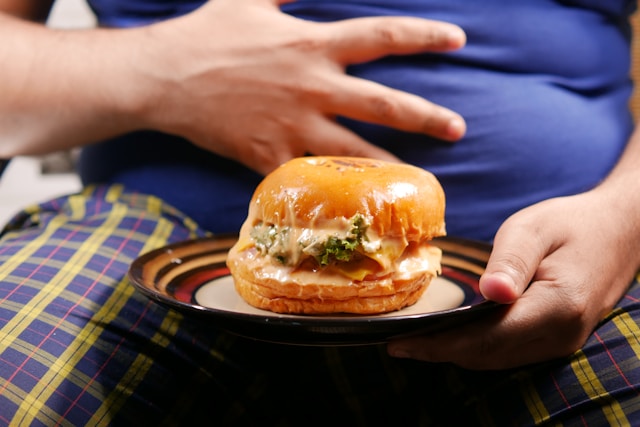
People describe bread-related stomach discomfort in different ways. For some, it is mild bloating. For others, it can feel like cramps, pressure, nausea, or urgent bowel changes.
Common symptoms may include:
- stomach cramps
- bloating
- gas
- nausea
- heartburn
- diarrhea
- constipation
- loud stomach sounds
- feeling too full
- tiredness after eating
- brain fog or headache in some people
The timing can also give clues. Symptoms that begin within minutes may suggest allergy, reflux, or rapid digestive sensitivity. Symptoms that appear hours later may be related to fermentation, IBS, FODMAPs, or slower digestion.
Bread-Related Symptoms and Possible Clues
| Symptom Pattern | Possible Explanation | What to Notice |
|---|---|---|
| Bloating and gas hours later | FODMAP or IBS sensitivity | Happens with wheat, onions, beans, or some fruits too |
| Diarrhea after bread | Celiac disease, IBS, infection, intolerance | Frequency, stool changes, weight loss, fatigue |
| Constipation after bread | Low fiber balance, IBS, dehydration | Water intake, fiber amount, activity level |
| Rash, swelling, wheezing | Possible wheat allergy | Needs prompt medical advice |
| Burning chest or sour taste | Acid reflux or overeating | Meal size, toppings, lying down after eating |
| Pain with fatigue or anemia | Possible malabsorption | Ask a doctor about testing |
This table is not a diagnosis. It is a simple way to understand what may be happening so you can describe it clearly to a healthcare professional.
Could Gluten Be the Reason Bread Hurts Your Stomach?
Gluten gets blamed for many digestive symptoms, but it is not always the real cause. Gluten is a protein found in wheat, barley, and rye. For people with celiac disease, gluten triggers an immune reaction that can damage the small intestine.
According to the National Institute of Diabetes and Digestive and Kidney Diseases, celiac disease can cause bloating, diarrhea, constipation, gas, nausea, vomiting, and abdominal pain. It can also affect nutrient absorption and cause symptoms outside the gut.
Some people do not have celiac disease but still feel unwell after gluten-containing foods. This is often called non-celiac gluten sensitivity. Symptoms may include bloating, stomach pain, tiredness, headache, or brain fog. However, researchers continue to study whether gluten itself, wheat carbohydrates, or other wheat components are responsible in many cases.
A key point: do not start a strict gluten-free diet before medical testing if celiac disease is a concern. Testing is more accurate when you are still eating gluten.
What Is Celiac Disease and Why Is Testing Important?
Celiac disease is an autoimmune condition. When someone with celiac disease eats gluten, the immune system reacts in a way that can damage the lining of the small intestine. Over time, this may affect how the body absorbs nutrients.
Possible signs of celiac disease include:
- repeated abdominal pain
- bloating
- diarrhea or constipation
- pale, greasy, or foul-smelling stools
- unexplained weight loss
- tiredness
- iron deficiency
- mouth ulcers
- itchy skin rash
- slow growth in children
The NHS lists stomach aches, bloating, flatulence, diarrhea, indigestion, and constipation among common symptoms of coeliac disease. Children may also show poor growth or delayed development if nutrient absorption is affected.
Medical guidelines commonly advise that celiac blood tests and biopsy, when needed, should be done while the person is still eating gluten. If gluten has already been removed, results may become falsely negative and diagnosis can become more difficult.
If you have ongoing symptoms after bread, especially with iron deficiency, weight loss, chronic diarrhea, or family history of celiac disease, speak with a doctor before removing gluten completely.
Could It Be Wheat Allergy Instead?
Wheat allergy is different from celiac disease and gluten sensitivity. It is an allergic immune reaction to proteins in wheat. Symptoms may happen quickly after eating wheat, although timing can vary.
Possible wheat allergy symptoms include:
- itching or swelling of the lips, mouth, or throat
- hives or rash
- nausea or vomiting
- stomach cramps
- diarrhea
- wheezing
- breathing difficulty
- dizziness
A wheat allergy can be serious. If bread causes swelling, breathing difficulty, wheezing, faintness, or widespread hives, seek urgent medical help.
For milder but repeated allergy-like symptoms, an allergy specialist can help with proper testing and advice.
What Are FODMAPs and How Can Bread Trigger Bloating?
Many people think bread discomfort must be from gluten, but wheat also contains fructans. Fructans are part of a group of fermentable carbohydrates called FODMAPs.
FODMAPs can pull water into the gut and ferment in the large intestine. In people with irritable bowel syndrome or sensitive digestion, this may lead to bloating, gas, cramps, diarrhea, or constipation.
Harvard Health notes that studies have found a low-FODMAP diet can improve IBS symptoms for many people, although it is usually meant as a structured, temporary approach rather than a permanent restriction.
This is why some people feel better with sourdough bread or smaller portions of wheat bread. It may not be because gluten disappeared. It may be because the type, amount, or fermentation of carbohydrates changed.
Gluten vs. FODMAP Sensitivity
| Feature | Gluten-Related Issue | FODMAP/Wheat Fructan Sensitivity |
| Main trigger | Gluten protein | Fermentable carbohydrates |
| Common foods | Wheat, barley, rye | Wheat, onions, garlic, beans, some fruits |
| Common symptoms | Pain, diarrhea, fatigue, bloating | Bloating, gas, cramps, bowel changes |
| Testing | Celiac testing, allergy testing if needed | Usually symptom tracking and diet trial |
| Diet approach | Depends on diagnosis | Often temporary structured elimination and reintroduction |
A dietitian can be helpful because unnecessary food restriction can make meals stressful and reduce nutrient variety.
Can IBS Make Bread Harder to Digest?

Irritable bowel syndrome, or IBS, is a common digestive condition that can cause abdominal pain, bloating, gas, diarrhea, constipation, or a mix of both.
Bread may trigger IBS symptoms in some people because of wheat fructans, portion size, or what is eaten with it. For example, a plain small piece of bread may be fine, but a large sandwich with onion, cheese, sauce, and coffee may cause symptoms.
IBS symptoms can also worsen with:
- stress
- poor sleep
- eating too quickly
- large meals
- high-fat foods
- caffeine
- certain fruits or vegetables
- hormonal changes
If your stomach hurts after bread but also after other foods, IBS or general gut sensitivity may be part of the picture.
Internal link suggestion: Read our guide to gut health foods for digestion-friendly meal ideas.
Could Bread Additives or Processed Foods Be the Problem?
Some people tolerate simple bread better than highly processed bread. This may be due to additives, preservatives, emulsifiers, added sugars, or a combination of ingredients.
For example, symptoms may be different after eating:
- homemade bread
- sourdough bread
- white sandwich bread
- whole-grain bread
- sweet bread
- packaged buns
- bread with seeds
- bread with dairy-based fillings
- bread eaten with fried or spicy foods
It can help to compare different types of bread rather than blaming all bread immediately. Some people notice that sourdough or simpler ingredient bread feels easier, while others react to all wheat-based products.
What Should You Track Before Cutting Out Bread?
Before removing bread completely, write down what happens for one to two weeks. This gives you better information and helps avoid unnecessary restriction.
Track:
- Type of bread eaten.
- Portion size.
- Time symptoms started.
- Type of pain or discomfort.
- Other foods in the same meal.
- Bowel changes.
- Stress level and sleep.
- Any skin, breathing, or allergy symptoms.
- Whether symptoms happen with pasta, naan, roti, biscuits, or other wheat foods.
A food diary is not about obsessing over food. It is about finding patterns calmly.
Internal link suggestion: See our article about daily healthy habits for simple tracking routines.
What Can You Try Safely at Home?
If symptoms are mild and there are no red flags, a few simple changes may help.
You can try:
- eating smaller portions of bread
- chewing slowly
- avoiding very large meals
- drinking enough water
- choosing simpler bread with fewer ingredients
- trying sourdough bread
- checking whether dairy toppings worsen symptoms
- avoiding lying down right after eating
- reducing coffee with bread if it triggers reflux
- adding balanced foods such as protein and vegetables
Do not start a strict gluten-free diet if you plan to ask your doctor about celiac disease testing. If you already stopped gluten and symptoms improved, tell your doctor before testing. They may discuss the best next step.
When Should You See a Doctor?
You should seek medical advice if stomach pain after bread is frequent, worsening, or affecting your daily life.
Speak with a doctor sooner if you have:
- unintentional weight loss
- blood in stool
- black stools
- ongoing diarrhea
- repeated vomiting
- fever
- severe abdominal pain
- anemia or low iron
- symptoms waking you at night
- poor growth in a child
- family history of celiac disease
- swelling, hives, or breathing symptoms after wheat
These symptoms do not automatically mean something serious, but they deserve proper assessment.
Frequently Asked Questions
Why does my stomach hurt after eating bread but not pasta?
Bread and pasta may contain wheat, but they differ in portion size, ingredients, fermentation, toppings, and how they are eaten. Some people react more to one form than another because of FODMAP load, meal size, or added ingredients.
Does stomach pain after bread mean I have celiac disease?
Not always. Celiac disease is one possible cause, but IBS, FODMAP sensitivity, wheat allergy, reflux, overeating, or additives can also play a role. Testing is needed to diagnose celiac disease.
Should I stop eating gluten if bread hurts my stomach?
If symptoms are mild, track your symptoms first and consider speaking with a doctor before removing gluten completely. Celiac testing is more accurate when you are still eating gluten.
Can sourdough bread be easier to digest?
Some people find sourdough easier because fermentation may reduce certain fermentable carbohydrates. However, regular wheat sourdough still contains gluten and is not safe for people with celiac disease unless certified gluten-free.
When is stomach pain after bread serious?
Seek medical advice if pain is severe, frequent, or linked with weight loss, blood in stool, ongoing diarrhea, vomiting, anemia, fever, or allergy symptoms such as swelling, hives, or breathing difficulty.
#GutHealth #DigestiveHealth #GlutenSensitivity #CeliacAwareness #HealthyEating
With care,
Hassan Tariq
Founder of IdeasBlooming