
 By hassantariq
Do you often feel tired, dizzy, or notice headaches without a clear reason? These may not just be random issues—they could be symptoms of dehydration in adults.
Dehydration happens when your body loses more fluids than it takes in. Even mild dehydration can affect your energy, focus, and overall health. Many adults don’t realize they are dehydrated until symptoms become noticeable.
In this article, you’ll learn the early and common signs of dehydration, why it happens, and practical steps to stay hydrated and maintain optimal health.
What Is Dehydration and Why Does It Matter?
Dehydration occurs when your body doesn’t have enough fluids to function properly.
Water is essential for:
- regulating body temperature
- transporting nutrients
- maintaining energy levels
- supporting brain function
According to health research and organizations like WHO and NIH, even mild dehydration can impact physical and cognitive performance.

What Are the Symptoms of Dehydration in Adults?
Dehydration symptoms can vary depending on severity. Early signs are often subtle but important to recognize.
1. Thirst and Dry Mouth
Feeling thirsty is one of the first signals.
You may also notice:
- dry mouth
- sticky feeling in the mouth
- reduced saliva
2. Fatigue and Low Energy
Lack of hydration can reduce blood volume and oxygen delivery.
This may lead to:
- tiredness
- low energy
- difficulty staying active
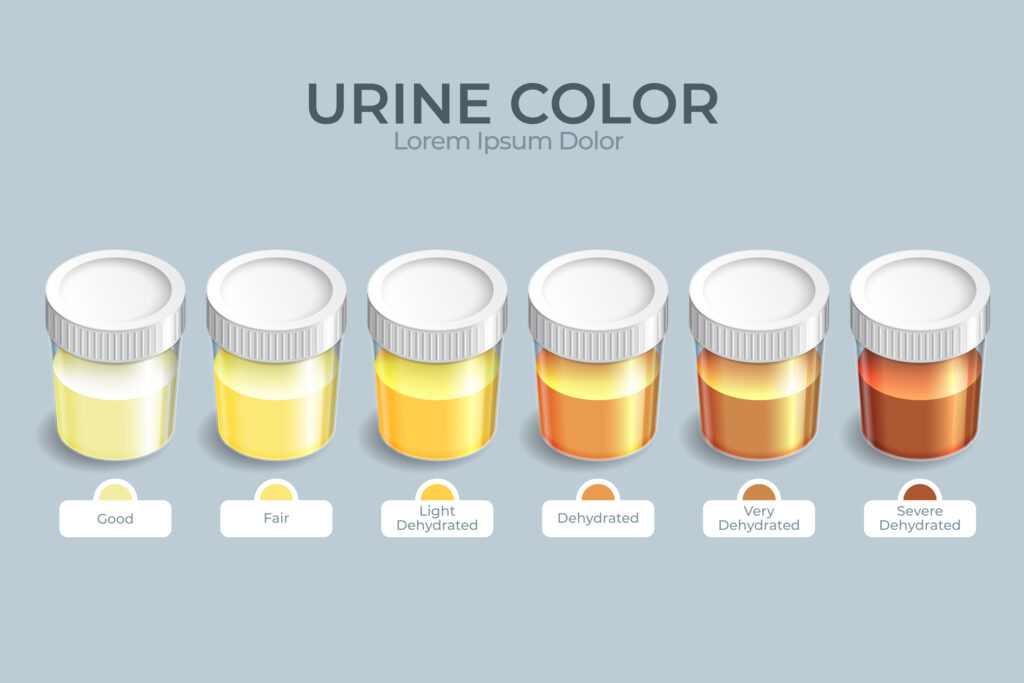
3. Dark Yellow Urine
Urine color is a key indicator of hydration.
- light yellow → well hydrated
- dark yellow → possible dehydration
4. Headaches
Dehydration can affect brain function and blood flow.
This may result in:
- headaches
- pressure in the head
- difficulty concentrating
5. Dizziness or Lightheadedness
Low fluid levels can affect circulation.
Symptoms may include:
- dizziness
- feeling faint
- imbalance
6. Dry Skin
Hydration plays a role in skin health.
You may notice:
- dry or flaky skin
- reduced skin elasticity
7. Muscle Cramps
Electrolyte imbalance due to dehydration can affect muscles.
This may cause:
- cramps
- muscle discomfort
- weakness
8. Reduced Urination
Dehydration can lead to less frequent urination.
Dehydration Symptoms Overview
| Symptom | Effect on Body | Common Experience |
|---|---|---|
| Thirst | Fluid imbalance | Dry mouth |
| Fatigue | Low energy | Tiredness |
| Dark urine | Water loss | Yellow urine |
| Headache | Brain impact | Pain |
| Dizziness | Circulation issue | Lightheadedness |
What Causes Dehydration in Adults?
Several everyday factors can lead to dehydration.
Not Drinking Enough Water
Busy schedules often lead people to forget to drink water regularly.
Hot Weather or Exercise
Increased sweating causes fluid loss.
Illness
Fever, vomiting, or diarrhea can increase fluid loss.
Diet and Lifestyle
High caffeine intake or salty foods may contribute to dehydration.
How to Stay Hydrated and Prevent Dehydration
Maintaining hydration is essential for overall health.
Drink Water Regularly
Don’t wait until you feel thirsty. Drink water throughout the day.
Eat Hydrating Foods
Include foods with high water content:
- fruits (watermelon, oranges)
- vegetables (cucumber, lettuce)
Balance Electrolytes
Electrolytes help maintain fluid balance in the body.
Monitor Your Body Signals
Pay attention to thirst, urine color, and energy levels.
Improve Daily Habits
Healthy routines support hydration and overall well-being.
You can explore our article about daily healthy habits for more tips.
When Should You Be Concerned?
Mild dehydration can often be corrected easily.
However, severe symptoms may require attention.
According to research and health organizations like WHO and NIH, severe dehydration can lead to serious complications if not addressed.
Dehydration and Daily Performance
Hydration affects:
- focus
- energy
- physical performance
Maintaining proper fluid levels helps you stay active and alert throughout the day.
You can also explore our guide to gut health foods to support overall digestion and hydration.
FAQ
What are the early symptoms of dehydration in adults?
Early signs include thirst, dry mouth, fatigue, and dark urine. These symptoms often appear before dehydration becomes severe.
How much water should an adult drink daily?
Needs vary, but staying hydrated throughout the day and monitoring urine color can help guide intake.
Can dehydration cause headaches?
Yes. Reduced fluid levels can affect brain function and lead to headaches.
How can I quickly rehydrate?
Drinking water and consuming hydrating foods can help restore fluid levels.
Is dehydration common?
Yes. Many adults experience mild dehydration due to busy lifestyles or not drinking enough water.
#Hydration #HealthTips #Wellness #HealthyLiving #Nutrition #Water
With care,
Hassan Tariq
Founder of IdeasBlooming