
 By hassantariq
If you’re dealing with thinning hair or a receding hairline, you’ve likely come across the two most talked-about treatments: minoxidil and finasteride. But which one actually works? Which one is safer? And what do real results look like—not marketing promises?
In this in-depth guide, we break down minoxidil vs finasteride, focusing on side effects, real-world results, timelines, and who each treatment is best for. This article is designed to help you make an informed decision, not a rushed one.
We’ll also answer common searches like minoxidil vs finasteride which is better, finasteride side effects in men, does minoxidil really work, minoxidil vs finasteride results timeline, and can you use minoxidil and finasteride together.
Quick Overview: What Are Minoxidil and Finasteride?
Before comparing them, it’s important to understand how each works.
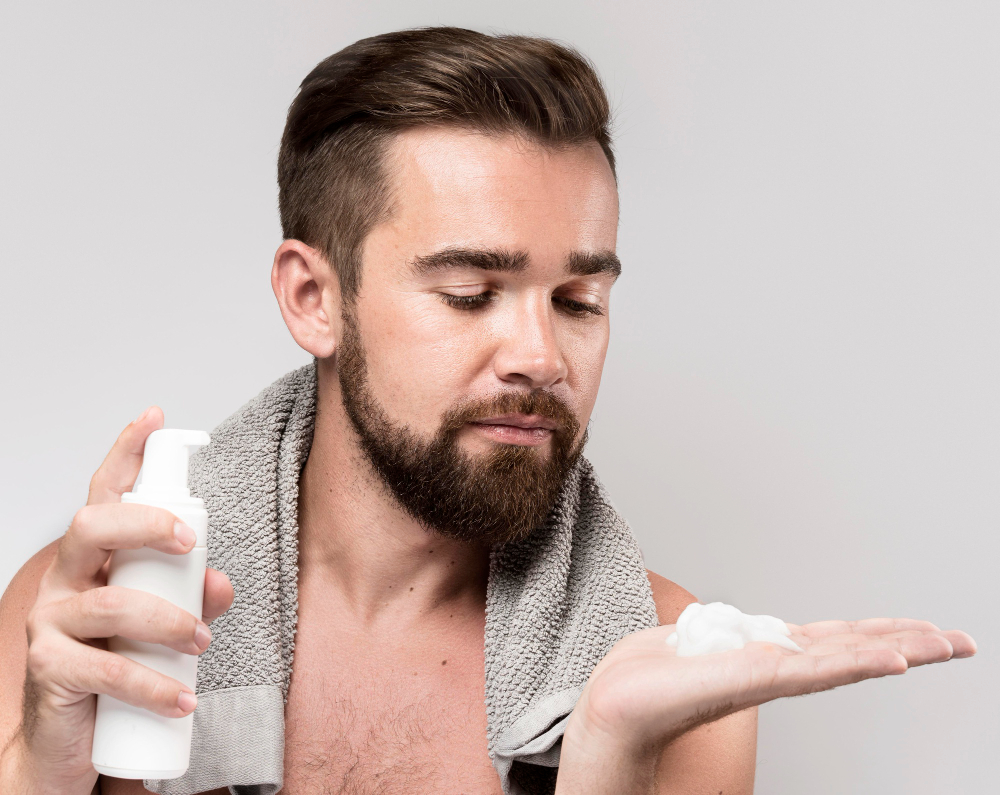
What Is Minoxidil?
Minoxidil is a topical hair growth stimulant applied directly to the scalp.
• Available over the counter
• Comes as foam or liquid
• Used once or twice daily
What Is Finasteride?
Finasteride is an oral prescription medication that targets the hormone causing hair loss.
• Taken as a daily pill
• Prescription only
• Works systemically
How Minoxidil Works (Mechanism Explained Simply)
Minoxidil does not address the root cause of male pattern baldness. Instead, it helps hair grow despite ongoing follicle damage.
What minoxidil does:
• Improves blood flow to hair follicles
• Extends the hair growth (anagen) phase
• Wakes up weak or dormant follicles
This is why minoxidil works best for thinning areas, especially the crown.
How Finasteride Works (Root Cause Treatment)
Finasteride targets the primary cause of male pattern baldness: DHT (dihydrotestosterone).
What finasteride does:
• Blocks the enzyme that converts testosterone into DHT
• Lowers scalp DHT levels by ~60–70%
• Protects follicles from shrinking
Because of this, finasteride is considered the most effective medical treatment for male pattern baldness.
Minoxidil vs Finasteride: Real Results Compared
Let’s look at what users typically experience in real life—not just clinical trials.
Minoxidil Real Results
What users commonly see:
• Reduced hair shedding after 2–3 months
• Some regrowth in thinning areas
• Thicker, darker hair strands
Limitations:
• Results stop if you stop using it
• Does not prevent future hair loss
• Less effective for hairline recession
Minoxidil is best described as a growth booster, not a long-term protector.
Finasteride Real Results
What users commonly see:
• Hair loss slows or stops within 3–6 months
• Preservation of existing hair
• Mild regrowth in early thinning areas
Strengths:
• Works across scalp (hairline + crown)
• Prevents progression
• Long-term benefits
Finasteride excels at maintaining hair, which is crucial for long-term success.
Minoxidil vs Finasteride: Side Effects Breakdown
Side effects are a major deciding factor for many men.
Minoxidil Side Effects
Most side effects are local and mild.
Common:
• Scalp irritation
• Itching or dryness
• Flaking
Less common:
• Initial shedding (temporary)
• Unwanted facial hair growth (from spread)
Minoxidil does not affect hormones, which makes it appealing to many users.

Finasteride Side Effects (What You Should Know)
Finasteride affects hormones, which is why side effects are discussed more often.
Possible side effects (small percentage):
• Reduced libido
• Erectile difficulty
• Decreased semen volume
Important context:
• Occur in a minority of users
• Often reversible after stopping
• Many men experience no side effects
Medical supervision is recommended to manage risk properly.
Minoxidil vs Finasteride: Results Timeline
Understanding timelines helps manage expectations.
Month 1–2:
• Possible shedding (both treatments)
Month 3–6:
• Reduced hair fall
• Early regrowth visible
Month 6–12:
• Best visible results
• Hair appears thicker and fuller
Stopping either treatment usually leads to loss of gains.
Can You Use Minoxidil and Finasteride Together?
Yes—and this is often the best approach.
Why combination therapy works:
• Finasteride protects follicles
• Minoxidil stimulates growth
• Targets hair loss from two directions
Dermatologists frequently recommend this combination for maximum results.
Which One Should You Choose?
Choose Minoxidil If:
• You want a topical, non-hormonal option
• Hair loss is mild
• You prefer over-the-counter treatment
Choose Finasteride If:
• Hair loss is progressing
• You want to stop further thinning
• You’re comfortable with prescription treatment
Choose Both If:
• You want the strongest results
• Hair loss is early to moderate
• You want long-term maintenance
This decision often depends on risk tolerance and goals.
What About Natural Alternatives?
Natural remedies may support scalp health but do not replace minoxidil or finasteride.
• Oils
• Supplements
• Massages
These are supportive—not curative—for genetic hair loss.
When to See a Doctor
Consult a dermatologist if:
• Hair loss is rapid or patchy
• You want prescription treatment
• Side effects occur
• You’re unsure about diagnosis
Early evaluation leads to better outcomes.
FAQs: Minoxidil vs Finasteride
1. Is minoxidil or finasteride more effective?
Finasteride is generally more effective at stopping hair loss. Minoxidil helps regrow some hair.
2. Are finasteride side effects permanent?
In most cases, side effects resolve after stopping the medication.
3. Can I start with minoxidil only?
Yes, but many men later add finasteride for better long-term results.
4. How long do I need to use these treatments?
Long-term or lifelong use is required to maintain results.
5. Can women use these treatments?
Minoxidil is commonly used by women. Finasteride is generally not recommended for women without specialist advice.
Conclusion & CTA
When comparing minoxidil vs finasteride, there’s no single “winner”—only what fits your situation best. Minoxidil helps hair grow. Finasteride helps hair stay. Together, they offer the strongest results for male pattern baldness.
The key is starting early, staying consistent, and choosing evidence-based treatments.
If this guide helped you, share it with someone deciding between treatments, leave a comment, or explore more hair-loss guides on this blog.
#minoxidil #finasteride #hairloss #malepatternbaldness #hairregrowth #menshealth #balding #healthguide
minoxidil vs finasteride, finasteride side effects, minoxidil results, hair loss treatment, male pattern baldness, hair regrowth, men health, scalp care, wellness
With care,
Hassan Tariq
Founder of IdeasBlooming