
 By hassantariq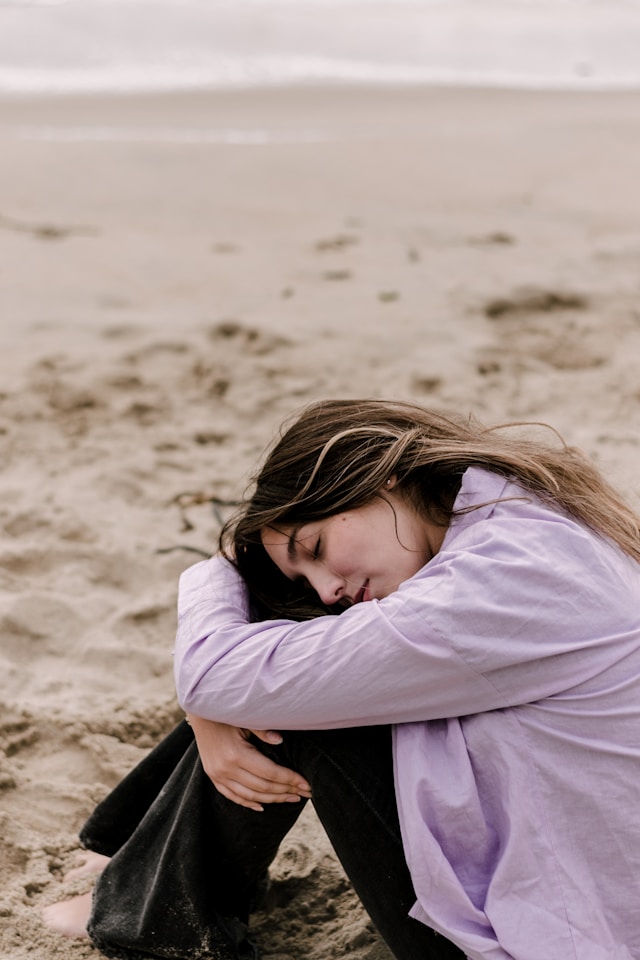
Feeling anxious when nothing obvious is wrong can be confusing and even frightening. You may be sitting at home, working, driving, or trying to sleep when your heart starts racing, your thoughts feel tense, or your body suddenly feels “on alert.” If you have ever asked yourself, “why do I feel anxious without reason?”, you are not alone.
Anxiety does not always arrive with a clear explanation. Sometimes it is linked to stress, poor sleep, caffeine, hormones, past experiences, health worries, or the body’s natural threat response becoming overactive. This article explains why anxiety can appear unexpectedly, what common triggers may be involved, how to calm your body safely, and when it may be time to speak with a healthcare professional.
Why Do I Feel Anxious Without Reason?
The phrase “without reason” usually means there is no obvious external danger. But your brain and body may still be reacting to internal signals.
Anxiety is part of the body’s survival system. When your brain senses possible threat, it can activate the fight-or-flight response. This may increase your heart rate, tighten muscles, change breathing, and make your mind scan for danger.
Sometimes the trigger is clear, such as a job interview or financial stress. Other times, the trigger is hidden or delayed. Your body may react before your conscious mind understands why.
Common hidden causes may include:
- accumulated stress
- poor sleep
- too much caffeine
- skipped meals
- dehydration
- unresolved emotional pressure
- hormonal changes
- medication side effects
- health concerns
- excessive screen time or news exposure
Anxiety is not “fake” just because you cannot identify a reason. The sensations are real, but they do not always mean you are in danger.
What Does Anxiety Feel Like in the Body?
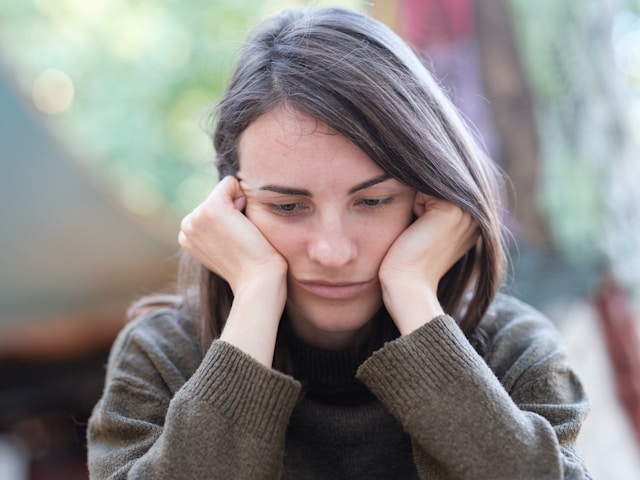
Anxiety can feel emotional, physical, or both. Harvard Health notes that anxiety may create physical symptoms such as stomach upset, headaches, chest tightness, sweating, dizziness, or muscle tension.
Common physical signs of anxiety
| Symptom | What It May Feel Like | Why It Happens |
|---|---|---|
| Fast heartbeat | Pounding or racing heart | Stress hormones increase alertness |
| Tight chest | Pressure or heaviness | Muscle tension and shallow breathing |
| Stomach discomfort | Nausea, cramps, butterflies | Gut and nervous system connection |
| Dizziness | Lightheaded feeling | Breathing changes or adrenaline |
| Sweating | Clammy hands or body heat | Fight-or-flight activation |
| Restlessness | Cannot sit still | Body preparing for action |
These symptoms can feel alarming, especially if they appear suddenly. However, anxiety symptoms can happen even when there is no immediate danger.
Important: Chest pain, fainting, severe shortness of breath, weakness on one side, or sudden severe symptoms should be checked urgently by a medical professional.
Can Stress Build Up Quietly Over Time?
Yes. One of the most common reasons for feeling anxious for no reason is long-term stress that has been ignored or normalized.
You may not feel stressed every minute, but your nervous system may still be carrying pressure from:
- work deadlines
- family responsibilities
- financial concerns
- moving to a new place
- relationship tension
- lack of rest
- health worries
- constant multitasking
Over time, the body can become more sensitive to small stress signals. Then even a normal day may feel overwhelming.
Think of anxiety like a smoke alarm. A healthy alarm warns you of danger. But when the system becomes too sensitive, it may go off because of steam from the shower, not because of a real fire.
How Can Sleep Problems Trigger Anxiety?
Poor sleep and anxiety often feed each other. When you do not sleep well, your brain has less emotional control the next day. You may feel more reactive, worried, or physically tense.
Research published in peer-reviewed journals shows that caffeine can reduce total sleep time and sleep quality, especially when consumed later in the day. Poor sleep may then increase anxiety-like feelings.
Signs your anxiety may be sleep-related include:
- waking up tired
- feeling anxious in the morning
- racing thoughts at night
- relying heavily on coffee
- sleeping at irregular times
- waking up with a fast heartbeat
Improving sleep does not cure every anxiety problem, but it can reduce nervous system sensitivity for many people.
Simple sleep-support habits
- Keep a regular bedtime and wake time.
- Avoid caffeine late in the day.
- Reduce phone use before bed.
- Keep the bedroom cool and dark.
- Use a relaxing routine, such as reading or gentle breathing.
Can Caffeine Make You Feel Anxious Without Reason?
Yes, caffeine can make some people feel anxious, shaky, restless, or alert even when they are not emotionally worried.
A meta-analysis indexed in PubMed found that caffeine intake may increase anxiety risk, especially at higher doses. This does not mean everyone must avoid coffee, but some people are more sensitive than others.
Caffeine sources to watch
| Source | Why It May Matter |
| Coffee | Can increase alertness and heart rate |
| Energy drinks | Often contain high caffeine plus sugar |
| Strong tea | May still affect sensitive people |
| Cola drinks | Can add caffeine and sugar |
| Pre-workout supplements | May contain strong stimulants |
| Dark chocolate | Usually mild, but still contains caffeine |
If you often ask, “why am I anxious for no reason?”, try tracking caffeine for one week. Notice the amount, timing, and symptoms.
A practical step is to reduce caffeine gradually rather than stopping suddenly, because sudden withdrawal can cause headaches and irritability.
Could Food, Blood Sugar, or Dehydration Be Involved?
Sometimes anxiety-like symptoms are linked to basic body needs. Skipping meals, eating very sugary foods, or not drinking enough water may cause shakiness, weakness, irritability, or a racing feeling.
This does not mean food is the only cause of anxiety. But stable meals can support a calmer nervous system.
Helpful habits include:
- eating regular meals
- including protein with breakfast
- drinking enough water
- limiting large amounts of sugar
- avoiding long gaps without food
- adding fruits, vegetables, whole grains, and healthy fats
For example, a breakfast of only coffee may make some people feel alert at first, then shaky or anxious later. Adding eggs, yogurt, oats, nuts, or whole-grain toast may help maintain steadier energy.
Internal link suggestion: Learn more in our article about daily healthy habits.
Can Your Thoughts Create Anxiety Even Without a Clear Problem?
Yes. Anxiety can begin with subtle thoughts that happen quickly in the background.
Examples include:
- “What if something goes wrong?”
- “Why is my heart beating fast?”
- “What if I cannot handle this?”
- “What if people judge me?”
- “What if this feeling never stops?”
These thoughts may be automatic. You may not notice them until your body already feels tense.
This is why anxiety can feel like it came from nowhere. The mind may scan for danger, the body reacts, and then the reaction itself becomes scary.
A helpful approach is not to fight every anxious thought. Instead, label it:
“This is an anxious thought, not a confirmed fact.”
That small mental distance can reduce the emotional intensity.
How Can Past Stress or Trauma Affect Present Anxiety?
Past experiences can shape how the nervous system responds today. A person who went through long-term stress, uncertainty, conflict, illness, loss, or major life changes may become more alert to possible danger.
Sometimes anxiety appears during calm moments because the brain finally has space to process what it has been carrying.
This does not mean you are weak. It means your nervous system may have learned to stay prepared.
Supportive therapy, safe relationships, healthy routines, and gradual stress reduction may help the body relearn calm over time.
Internal link suggestion: Read our guide to managing stress naturally.
When Is Anxiety a Normal Reaction and When Is It a Concern?
Occasional anxiety is a normal human experience. It becomes more concerning when it is frequent, intense, long-lasting, or interferes with daily life.
Anxiety comparison table
| Occasional Anxiety | Anxiety That May Need Support |
| Happens during stressful events | Happens often without clear triggers |
| Settles after the situation improves | Persists for weeks or months |
| Does not stop daily activities | Affects work, sleep, school, or relationships |
| Feels manageable | Feels overwhelming or hard to control |
| Improves with rest and self-care | Keeps returning despite lifestyle changes |
The National Institute of Mental Health explains that anxiety disorders involve fear or worry that does not go away and can interfere with daily activities. If symptoms are persistent or disruptive, professional support can be helpful.
What Can I Do When I Suddenly Feel Anxious?
When anxiety appears suddenly, the first goal is to signal safety to your body.
Try this simple grounding method
- Put both feet on the floor.
- Relax your shoulders.
- Breathe in slowly through your nose.
- Exhale longer than you inhale.
- Name five things you can see.
- Remind yourself: “This feeling is uncomfortable, but it can pass.”
Slow breathing can help reduce the intensity of the fight-or-flight response. You do not need to force yourself to feel calm immediately. The goal is to reduce the alarm gradually.
Other calming tools
- take a short walk
- drink water
- stretch your neck and shoulders
- write down what you are feeling
- reduce noise and screen stimulation
- speak with someone supportive
- do a simple household task
- listen to calming audio
Internal link suggestion: Try our guide on breathing exercises for stress relief.
How Can I Prevent Random Anxiety Episodes?
Prevention is about lowering your baseline stress level. You cannot control every anxious feeling, but you can make your body less likely to stay on high alert.
Daily habits that may help
- Sleep at consistent times.
- Move your body most days.
- Reduce excessive caffeine.
- Eat balanced meals.
- Spend time outdoors.
- Limit doomscrolling.
- Keep a simple routine.
- Practice relaxation before bedtime.
- Talk about stress instead of storing it.
- Take breaks during mentally demanding work.
Clinical studies suggest that regular physical activity may support mental well-being and reduce anxiety symptoms for some people. Even a 20-minute walk can help release tension and improve mood.
Internal link suggestion: See our beginner-friendly wellness routine.
When Should You Speak to a Doctor or Therapist?
It may be time to seek support if anxiety:
- happens most days
- causes panic attacks
- affects sleep regularly
- makes you avoid normal activities
- interferes with work or family life
- causes ongoing physical symptoms
- feels impossible to control
- appears after starting a new medication
- comes with depression or hopelessness
A healthcare professional can check for possible medical contributors such as thyroid issues, anemia, medication effects, heart rhythm concerns, or other conditions. A therapist can help identify thought patterns, triggers, coping skills, and deeper emotional causes.
Seek urgent help immediately if you have thoughts of harming yourself or feel unsafe.
Frequently Asked Questions
Why do I feel anxious without reason at night?
Night anxiety may happen because the mind has fewer distractions, making worries feel louder. Poor sleep, caffeine, stress, or irregular routines can also increase nighttime anxiety.
Can anxiety cause physical symptoms even when I am not worried?
Yes. Anxiety can cause a fast heartbeat, sweating, stomach discomfort, dizziness, muscle tension, and chest tightness. These symptoms can appear before you consciously notice anxious thoughts.
Is feeling anxious for no reason dangerous?
Anxiety itself is not usually dangerous, but the symptoms can feel scary. If symptoms are severe, new, frequent, or include chest pain or fainting, it is important to seek medical advice.
How do I know if my anxiety is from caffeine?
Track your caffeine intake, timing, sleep, and symptoms for one week. If anxiety appears after coffee, tea, energy drinks, or pre-workout supplements, caffeine sensitivity may be contributing.
When should I get help for anxiety?
Consider professional support if anxiety affects your sleep, work, relationships, appetite, or daily routine. You do not need to wait until symptoms become severe to ask for help.
#AnxietySupport #MentalHealthAwareness #StressRelief #HealthyMind #WellnessTips
With care,
Hassan Tariq
Founder of IdeasBlooming