
 By hassantariq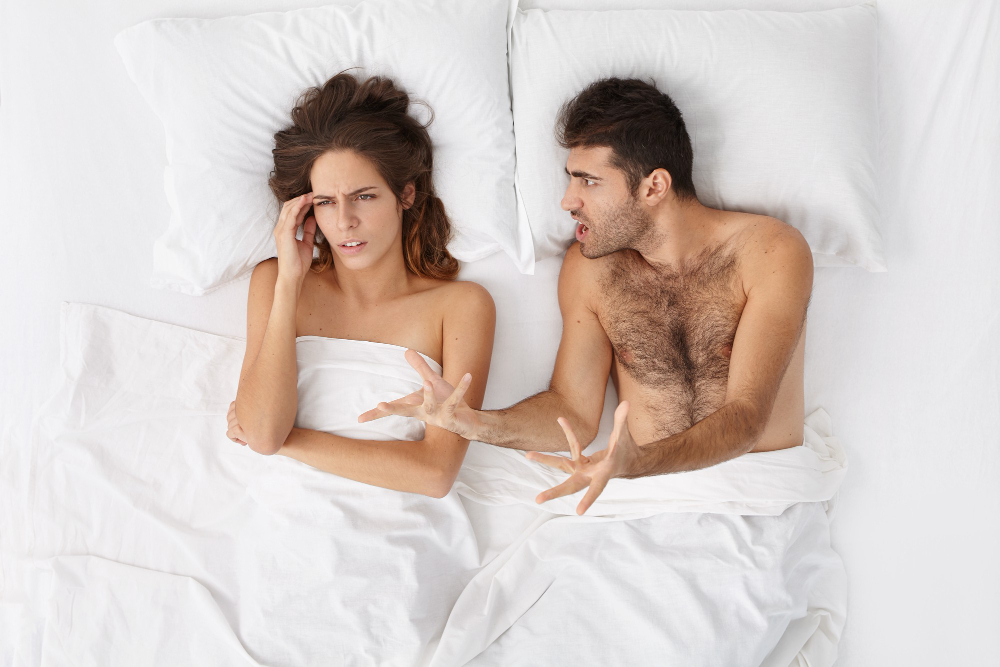
If you’re feeling “not in the mood” more often than usual, you’re not alone. Low libido in women is common—and it doesn’t mean something is “wrong” with you. Desire can change with stress, hormones, sleep, relationship dynamics, medications, and even how safe and supported you feel in your body. This article focuses on Low Libido in Women: Common Causes and Supportive Solutions.
In this article, you’ll learn the most common causes of low libido in women and supportive solutions you can try—plus when it’s a good idea to speak with a healthcare professional.
Note: This content is educational and not a replacement for medical advice. If your symptoms are sudden, severe, or distressing, consider professional support.
What “Low Libido” Really Means (And Why It’s Not Just One Thing)
Libido is not a simple on/off switch. It’s influenced by your:
- Body (hormones, energy, pain, health conditions)
- Mind (stress, anxiety, mood, self-image)
- Relationship (connection, trust, communication)
- Environment (privacy, workload, sleep, routine)
Some women experience low desire, while others have desire that appears only after closeness begins (sometimes called “responsive desire”). Both are normal.
✅ The key question is: Has your desire changed in a way that bothers you? If yes, it’s worth exploring support.
Common Causes of Low Libido in Women
1) Chronic Stress and Mental Load 🧠
Stress increases cortisol and keeps the body in “survival mode.” When your brain is overloaded with tasks, libido often drops.
Common signs:
- racing thoughts at night
- irritability or burnout
- difficulty relaxing
- feeling touched-out or overwhelmed
Why it matters: stress can reduce arousal, make intimacy feel like another “to-do,” and affect sleep (which further lowers desire).
2) Sleep Problems and Exhaustion 😴
Poor sleep can affect mood, hormones, and energy. Even one week of bad sleep can reduce desire for many people.
Supportive clue: If you feel more desire on days you’re rested, sleep is likely part of the picture.
3) Hormonal Changes (Perimenopause, Menopause, Postpartum)
Hormones can influence lubrication, comfort, arousal, and desire.
Low libido in women during perimenopause and menopause may be linked to shifts in estrogen and testosterone, vaginal dryness, and sleep disruption.
Low libido in women after childbirth supportive solutions often involve recovery, breastfeeding-related hormone changes, body image shifts, and fatigue.
Important: Hormonal change doesn’t mean your sex life is “over.” It often means your body needs different support and pacing.
4) Pain During Sex or Pelvic Discomfort
If sex is painful, your body may learn to avoid it—naturally.
Common causes include:
- vaginal dryness
- pelvic floor tension
- infections or irritation
- endometriosis
- vulvodynia or other pain conditions
If you have persistent pain, bleeding, or burning, seek medical care. Pain is not something you should have to “push through.”
5) Medications (Especially Antidepressants and Birth Control)
Many medications can affect libido. A common concern is: antidepressants and low libido in women—what to do.
Medications that may impact desire include:
- certain antidepressants (often SSRIs/SNRIs)
- some hormonal contraceptives
- blood pressure medications
- antihistamines (in some people)
Never stop medication on your own. But it’s reasonable to discuss options with a doctor (dose timing, alternatives, or supportive strategies).
6) Relationship Disconnect and Emotional Safety 💬
For many women, desire is closely connected to emotional closeness and feeling safe.
Possible blockers:
- unresolved conflict
- feeling criticized or unappreciated
- unequal household workload
- lack of non-sexual affection
- pressure or guilt around sex
If intimacy feels tense, libido often follows.
7) Body Image, Self-Confidence, and Shame
If you feel uncomfortable in your body, you may struggle to relax into pleasure.
Triggers can include:
- weight changes
- postpartum body shifts
- aging concerns
- past negative comments
- comparing yourself to unrealistic images online
Support here is not vanity—it’s mental well-being.
8) Health Conditions (Thyroid, Anemia, Diabetes, Depression)
Sometimes low libido in women is a symptom of an underlying health issue, such as:
- thyroid disorders
- iron deficiency anemia
- uncontrolled diabetes
- depression or anxiety
- chronic pain or fatigue conditions
If your libido changes alongside low energy, hair changes, mood changes, or irregular periods, consider a health check.
Low Libido in Women: Supportive Solutions That Actually Help
This section focuses on practical, supportive steps—because the best solution depends on the cause.
1) Start With a “Root Cause” Check (Simple but Powerful)
If your low desire is persistent (for example, 2–3 months) and bothering you, consider discussing:
- iron levels (especially if fatigue is strong)
- thyroid function
- vitamin D (if you suspect deficiency)
- hormonal transitions (postpartum/perimenopause)
- pain, dryness, or infections
- medication side effects
This is often the fastest way to rule out fixable issues.
2) Reduce Stress in a Realistic Way (Not Perfectly)
You don’t need a “stress-free life.” You need stress relief that fits your routine.
Try small changes:
- 10-minute daily walk (especially outdoors)
- phone-free wind-down 30 minutes before sleep
- short breathing reset (2 minutes) when overwhelmed
- “brain dump” notes at night to quiet thoughts
Even small reductions in stress can improve desire over time.
3) Improve Sleep and Energy (The Libido Foundation)
If your body is tired, desire is often the first thing to disappear.
Simple sleep support:
- consistent bedtime/wake time
- reduce caffeine late afternoon
- keep the bedroom cool and dark
- avoid heavy meals right before bed
If snoring, choking awakenings, or severe insomnia are present, consider medical help—sleep issues are treatable.
4) Nourish Your Body for Hormones and Mood 🥗
There is no “magic food,” but stable energy and good nutrition support mood and hormones.
Helpful basics:
- protein with each meal
- omega-3 sources (fish, walnuts, chia/flax)
- iron-rich foods (lentils, spinach, meat if you eat it)
- hydration (dryness can worsen with dehydration)
If you’re wondering how to increase female libido naturally and safely, start with the basics: sleep + stress + nourishment + comfort.
5) Address Vaginal Dryness and Comfort (Immediate Relief)
Dryness can make intimacy uncomfortable and reduce desire.
Supportive options:
- water-based lubricant for comfort
- longer foreplay and slower pacing
- addressing irritation (avoid harsh soaps/fragrances)
If dryness is persistent—especially around perimenopause/menopause—professional guidance can be helpful.
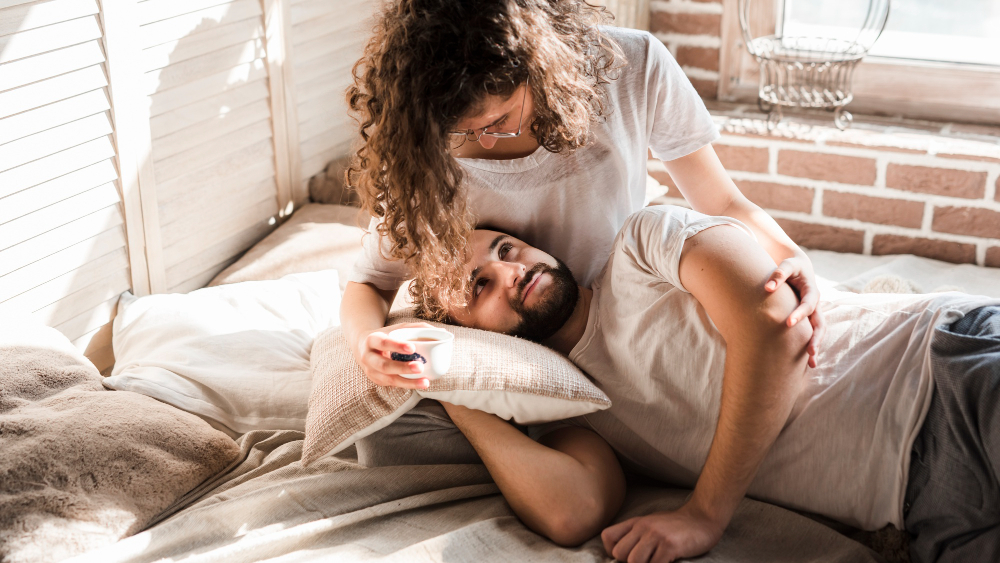
6) Rebuild Desire Through Connection, Not Pressure 💞
Pressure often kills desire. Connection often restores it.
Try:
- non-sexual affection (hugging, cuddling, hand-holding)
- “no-expectation” intimacy (closeness without a goal)
- communicating what feels good and what doesn’t
- sharing the mental load (house tasks, planning, childcare)
A useful question: “What would help you feel more relaxed and connected this week?”
7) Consider Talking Support (Therapy or Sex Therapy)
If anxiety, past experiences, body image, or relationship issues play a role, talk support can help.
Therapy may be useful if you experience:
- guilt or shame around sex
- fear of intimacy
- persistent relationship conflict
- high anxiety or depression
This is not about blame—it’s about support.
8) Review Medications With Your Doctor (If Needed)
If you suspect medication is affecting libido, options may include:
- adjusting timing or dose
- switching to an alternative
- adding supportive strategies for side effects
Again, do not change medication without guidance.
When to Get Professional Help (Important)
Consider medical support if:
- the change is sudden and significant
- you have pain, bleeding, or burning with sex
- you feel depressed, numb, or hopeless
- you suspect hormone changes are intense
- libido loss affects your relationship or self-esteem
You deserve support. This is common and treatable.
FAQs About Low Libido in Women
1) What are the most common causes of low libido in women?
The most common causes of low libido in women include chronic stress, poor sleep, hormonal changes (postpartum, perimenopause, menopause), relationship disconnect, pain during sex, body image concerns, depression/anxiety, and medication side effects.
2) How can I increase female libido naturally and safely?
If you want to know how to increase female libido naturally and safely, start with sleep, stress reduction, daily movement, nourishing meals, and addressing pain or dryness. Many women also benefit from emotional closeness and removing pressure around intimacy.
3) Can antidepressants cause low libido in women?
Yes, some antidepressants can contribute to libido changes. If you’re experiencing antidepressants and low libido in women, speak with a doctor about options such as dose timing, alternative medications, or supportive strategies—without stopping your medication suddenly.
4) Is low libido normal after childbirth?
Yes. Low libido in women after childbirth is very common due to fatigue, healing, breastfeeding-related hormones, body changes, and mental load. Supportive solutions include rest, gradual reconnection, comfort-focused intimacy, and asking for help with workload.
5) Does menopause cause low libido in women?
Menopause can contribute to libido changes through hormone shifts, sleep issues, and vaginal dryness. Low libido in women during perimenopause and menopause often improves with targeted support like stress reduction, comfort strategies, and professional guidance for persistent symptoms.
Final Takeaway
Low libido in women is not a personal failure—and it’s not “all in your head.” It’s often a signal that your body, mind, or relationship needs better support. Start small: improve sleep, lower stress, address comfort, and talk openly. With the right steps, many women feel like themselves again.
Call to Action (CTA)
Have you dealt with low libido in women and found something that helped? Share your experience in the comments (it may help someone else). For more supportive wellness guides, subscribe and explore the related posts on the blog.
#LowLibidoInWomen #WomensHealth #HormoneHealth #MentalLoad #StressRelief #SleepHealth #RelationshipTips #PostpartumHealth #MenopauseSupport #SelfCare
With care,
Hassan Tariq
Founder of IdeasBlooming