
 By hassantariq
Stress is a natural biological response that helps the body react to challenges or threats. In short bursts, stress can even be helpful — it prepares the body to act quickly and stay alert. However, when stress becomes long-term, it can begin to affect physical and emotional wellbeing.
Understanding how chronic stress affects your body is important because ongoing stress can influence many systems in the body, including the nervous system, immune system, and cardiovascular system.
In this guide, we explain what chronic stress is, how it impacts the body, and practical ways to manage it based on scientific research and recommendations from major health organizations.
What Is Chronic Stress?
Stress occurs when the body perceives a challenge or pressure and activates the “fight-or-flight” response.
During this response, the body releases stress hormones such as:
- Cortisol
- Adrenaline
- Norepinephrine
These hormones help increase alertness and energy temporarily.
However, chronic stress occurs when the stress response remains activated for long periods without adequate recovery.
According to research published in medical journals, long-term activation of the stress response may influence multiple biological systems.
How the Stress Response Works
The stress response is controlled by the hypothalamic-pituitary-adrenal (HPA) axis, a network connecting the brain and endocrine system.
When stress occurs:
- The brain detects a perceived threat
- Stress hormones are released
- Heart rate and blood pressure increase
- Energy is redirected to essential systems
In short-term situations, this process helps protect the body. But when stress persists, it may place strain on physiological systems.
Physical Effects of Chronic Stress
Research published in health journals indicates that chronic stress may influence several body systems.
1. Cardiovascular System
Stress hormones may cause temporary increases in heart rate and blood pressure.
According to research published in cardiovascular studies, repeated activation of stress responses may influence heart health over time.
Possible effects include:
- Elevated blood pressure
- Increased heart rate
- Strain on blood vessels
2. Immune System
The immune system helps protect the body from illness.
Studies suggest chronic stress may influence immune responses by affecting inflammatory pathways and immune cell function.
This may affect how the body responds to infections or inflammation.
3. Digestive System
Stress can influence digestion through the brain-gut connection.
Clinical studies suggest stress may affect:
- Appetite changes
- Digestive discomfort
- Gut motility
Read our gut health nutrition guide
4. Hormonal Balance
Cortisol, the primary stress hormone, plays an important role in metabolism and energy regulation.
When cortisol levels remain elevated for extended periods, research suggests this may influence:
- Sleep patterns
- Energy balance
- Metabolic processes
Explore how sleep affects hormones and metabolism

Emotional and Mental Effects of Chronic Stress
Chronic stress does not only affect the body — it also influences emotional wellbeing.
Research published in psychological studies suggests prolonged stress may contribute to:
- Mental fatigue
- Reduced concentration
- Emotional imbalance
- Difficulty relaxing
Emotional wellbeing and physical health are closely connected.
Explore emotional health tips that improve wellbeing
Common Signs of Chronic Stress
People experiencing long-term stress may notice several physical or emotional signs.
Common indicators include:
- Persistent fatigue
- Difficulty sleeping
- Muscle tension
- Irritability
- Frequent headaches
These symptoms can vary widely among individuals.
Comparison Table: Short-Term vs Chronic Stress
| Feature | Short-Term Stress | Chronic Stress |
|---|---|---|
| Duration | Temporary | Long-term |
| Hormone levels | Temporary increase | Prolonged elevation |
| Body impact | Adaptive response | Potential physiological strain |
| Recovery | Quick recovery | Limited recovery periods |
Understanding these differences can help individuals recognize when stress may require attention.
What to Do About Chronic Stress
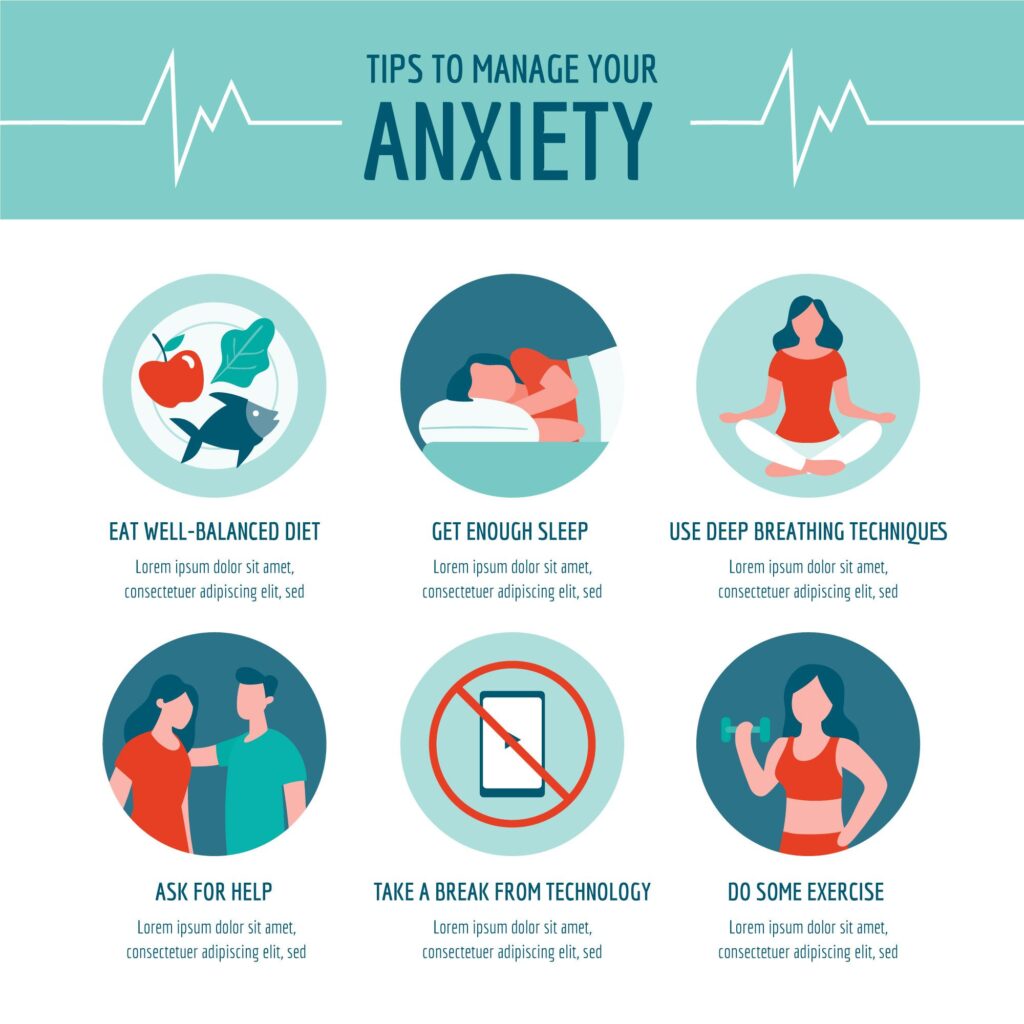
Managing stress effectively involves supporting both physical and emotional health.
Research from health organizations such as the NIH and WHO suggests several evidence-based strategies.
1. Physical Activity
Regular physical movement is associated with improved mood and stress management.
Activities may include:
- Walking
- Yoga
- Strength training
- Cycling
Explore our full body workout plan for beginners
2. Mindfulness and Relaxation
Mindfulness practices may help regulate emotional responses.
Examples include:
- Meditation
- Deep breathing exercises
- Guided relaxation techniques
Studies suggest mindfulness may influence stress perception and emotional regulation.
3. Adequate Sleep
Sleep plays a key role in restoring the body and regulating stress hormones.
Research indicates that insufficient sleep may increase stress sensitivity.
Developing consistent sleep habits can support emotional balance.
4. Balanced Nutrition
Nutrition influences energy levels and metabolic health.
Whole foods rich in vitamins, minerals, and fiber may help support overall wellbeing.
Frequently Asked Questions
What happens to the body during chronic stress?
Chronic stress may influence hormones, cardiovascular function, immune responses, and emotional wellbeing.
How does chronic stress affect hormones?
Stress activates cortisol release through the HPA axis, which can influence metabolic and hormonal processes.
Can chronic stress affect sleep?
Research suggests ongoing stress may disrupt sleep patterns and affect sleep quality.
What are healthy ways to manage stress?
Regular exercise, adequate sleep, mindfulness practices, and social support may help manage stress.
Is stress always harmful?
Short-term stress can be helpful in certain situations. Problems usually arise when stress becomes persistent and unmanaged.
Final Thoughts
Understanding how chronic stress affects your body helps highlight the importance of stress management for overall wellbeing.
Scientific research suggests that chronic stress may influence multiple systems in the body, including:
- Hormonal balance
- Cardiovascular health
- Immune function
- Emotional wellbeing
Fortunately, practical lifestyle habits such as physical activity, mindfulness, balanced nutrition, and healthy sleep routines may help support stress management and overall health.
#ChronicStress #StressManagement #MentalHealth #Wellness #HealthyLifestyle
With care,
Hassan Tariq
Founder of IdeasBlooming