
 By hassantariq
Digestive discomfort, bloating, irregular bowel movements, and low energy are common concerns today. Many people are searching for a reliable gut health nutrition guide that explains which foods truly support digestion.
Your gut does far more than process food. It plays a major role in immunity, nutrient absorption, and even mood regulation. According to research published in peer-reviewed medical journals, the gut microbiome — the trillions of microorganisms living in your digestive tract — influences overall health in powerful ways.
This evidence-based guide explains the best foods to heal digestion and support long-term gut balance.
Why Is Gut Health So Important?
Your digestive system:
- Breaks down food into nutrients
- Supports immune defense
- Produces certain vitamins
- Communicates with the brain via the gut-brain axis
According to a systematic review published in medical research databases such as PubMed, a diverse and balanced gut microbiota is associated with better digestive and metabolic health.
Major health organizations emphasize dietary patterns rich in fiber and whole foods to support digestive wellness.
What Foods Heal Digestion Naturally?
A well-structured gut health nutrition guide focuses on five key food categories:
- Probiotic foods
- Prebiotic fiber sources
- Anti-inflammatory whole foods
- Hydrating foods
- Fermented foods
Let’s explore each.
1️⃣ Probiotic Foods for Gut Health
Probiotics are live beneficial bacteria that may support microbiome balance.
Examples:
- Yogurt with live cultures
- Kefir
- Sauerkraut
- Kimchi
- Miso
According to clinical studies, probiotic-rich foods may help support digestive comfort and microbiome diversity.
2️⃣ Prebiotic Fiber: Feeding Good Bacteria
Prebiotics are types of fiber that feed beneficial gut bacteria.
Top Prebiotic Foods:
- Garlic
- Onions
- Bananas (slightly green)
- Oats
- Asparagus
- Chicory root
Research published in nutrition journals suggests prebiotic fibers may increase beneficial bacterial growth.
3️⃣ High-Fiber Whole Foods
Fiber plays a critical role in digestion and bowel regularity.
Best Fiber Sources:
- Lentils
- Beans
- Whole grains
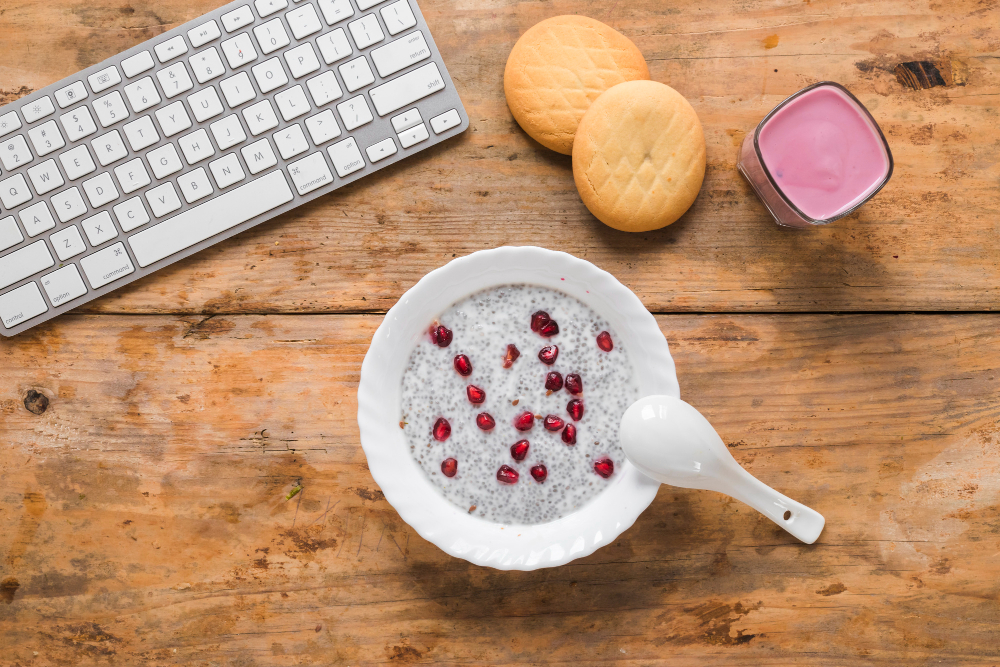
- Chia seeds
- Vegetables
- Fruits
According to systematic reviews, higher dietary fiber intake is linked to improved digestive function.
Fiber Comparison Table
| Food | Fiber Content | Gut Benefit |
|---|---|---|
| Lentils | High | Supports bowel movement |
| Oats | Moderate | Feeds good bacteria |
| Apples | Moderate | Adds bulk to stool |
4️⃣ Fermented Foods and Digestive Support
Fermented foods provide beneficial bacteria and bioactive compounds.
Examples:
- Kombucha
- Tempeh
- Pickled vegetables (naturally fermented)
Clinical studies suggest fermented foods may increase microbiome diversity over time.

5️⃣ Anti-Inflammatory Foods for Gut Comfort
Chronic inflammation may impact digestion.
Anti-inflammatory foods include:
- Fatty fish (rich in omega-3)
- Leafy greens
- Berries
- Olive oil
- Nuts
Research published in medical journals suggests dietary patterns rich in plant-based foods may support reduced inflammatory markers.
What Foods May Disrupt Gut Balance?
While individual tolerance varies, research suggests limiting:
- Highly processed foods
- Excess added sugars
- Excessive alcohol
- Low-fiber refined carbohydrates
A balanced approach matters more than restriction.
Sample 1-Day Gut-Friendly Meal Plan
Breakfast: Yogurt with oats and berries
Lunch: Lentil salad with olive oil dressing
Snack: Banana and nuts
Dinner: Grilled fish with steamed vegetables
Internal link placeholders:
- Use our BMI calculator to monitor health goals
- Explore our best foods for weight loss backed by science
- Read our benefits of probiotic foods for gut health guide
- Check our healthy meal planning guide
How Long Does It Take to Improve Gut Health?
According to clinical research:
- Short-term microbiome changes may occur within days
- More stable improvements often take weeks of consistent dietary habits
Consistency is key.
Hydration and Gut Health
Water supports digestion by:
- Assisting nutrient transport
- Supporting fiber function
- Preventing constipation
Adequate hydration works together with dietary fiber for digestive comfort.
Gut Health and Immunity
Approximately 70% of immune cells are located in the gut.
Research published in immunology journals suggests gut microbiota composition influences immune response.
This highlights why a balanced gut health nutrition guide focuses on whole foods rather than quick fixes.
Frequently Asked Questions
What is the best diet for gut health?
A balanced diet rich in fiber, probiotic foods, fruits, vegetables, and whole grains supports digestive health.
How can I heal my digestion naturally?
Eating fiber-rich foods, fermented foods, and staying hydrated may support digestive comfort over time.
Are probiotics necessary for everyone?
Not necessarily. Many people can support gut health through diverse whole foods.
How much fiber should I eat daily?
General guidelines suggest around 25–38 grams per day depending on age and sex.
Can gut health affect mood?
Research suggests the gut-brain axis connects digestion and mood regulation.
Final Thoughts
A structured gut health nutrition guide focuses on whole foods, fiber diversity, and fermented options rather than restrictive trends.
To support digestion:
- Increase plant-based fiber
- Include probiotic foods
- Stay hydrated
- Reduce highly processed foods
- Maintain consistency
Healthy digestion is built over time through balanced nutrition and sustainable habits.
#GutHealth #HealthyDigestion #NutritionGuide #ProbioticFoods #HealthyLiving
With care,
Hassan Tariq
Founder of IdeasBlooming