
 By hassantariq
Cholesterol is one of the most misunderstood topics in nutrition and heart health. Many people avoid foods unnecessarily, while others underestimate genuine risks—all because of persistent cholesterol myths and facts being mixed together online.
This article breaks down what cholesterol really is, what science says, and which common beliefs are outdated or incorrect, using evidence from large studies and trusted health organizations.
What Is Cholesterol, Really?
Cholesterol is a fat-like substance found in every cell of your body. According to research published in major medical journals, cholesterol plays key roles in:
- Cell membrane structure
- Hormone production
- Vitamin D synthesis
- Bile acid formation for digestion
Your body produces most of its cholesterol naturally—dietary cholesterol is only one small part of the picture.
Myth 1: All Cholesterol Is Bad
❌ The myth
Many people believe cholesterol itself is harmful and should be eliminated.
✅ The fact
According to a systematic review published in cardiovascular research journals, cholesterol is essential for normal body function. The concern lies in how cholesterol is transported in the blood, not cholesterol itself.
There are different lipoproteins:
- LDL (low-density lipoprotein) – carries cholesterol to tissues
- HDL (high-density lipoprotein) – helps transport excess cholesterol away
The balance matters more than the total number.
Myth 2: Eating Cholesterol Automatically Raises Blood Cholesterol
❌ The myth
Foods like eggs or seafood are often blamed for high cholesterol.
✅ The fact
Research published in nutrition and metabolism journals shows that dietary cholesterol has a limited effect on blood cholesterol for most people.
Instead, blood cholesterol is influenced more by:
- Saturated and trans fats
- Overall dietary pattern
- Genetics
- Physical activity
This is why many dietary guidelines no longer set strict limits on cholesterol intake alone.
Myth 3: LDL Cholesterol Is Always Dangerous
❌ The myth
LDL is often labeled as “bad cholesterol” in all situations.
✅ The fact
According to clinical studies, LDL particles vary in size and behavior. Some forms are more strongly associated with cardiovascular risk than others.
Risk depends on:
- Particle size and number
- Inflammation markers
- Lifestyle factors
This nuance is why cholesterol is assessed as part of a broader health picture, not in isolation.
Myth 4: HDL Cholesterol Always Protects You
❌ The myth
High HDL automatically means protection from heart disease.
✅ The fact
While HDL is generally associated with protective effects, research published in large cohort studies shows that extremely high HDL does not always equal lower risk.
HDL function—how effectively it transports cholesterol—matters more than the number alone.
Myth 5: Low-Fat Diets Are the Best Way to Manage Cholesterol
❌ The myth
Cutting all fats is seen as the best strategy.
✅ The fact
According to evidence from long-term dietary studies, fat quality matters more than fat quantity.
Healthy fats—such as those found in:
- Olive oil
- Nuts and seeds
- Fatty fish
are associated with better lipid profiles when part of a balanced diet.
Cholesterol Myths vs Facts: Quick Comparison
| Topic | Common Myth | Evidence-Based Fact |
|---|---|---|
| Dietary cholesterol | Always harmful | Limited effect for most people |
| LDL | Always bad | Depends on type and context |
| HDL | Always protective | Function matters more |
| Fat intake | Avoid all fats | Fat quality matters |
| Total cholesterol | Main risk marker | Ratios and context matter |
Myth 6: Only Older Adults Need to Worry About Cholesterol
❌ The myth
Cholesterol issues only affect older people.
✅ The fact
Research published in preventive cardiology journals shows that cholesterol patterns established in early adulthood can influence long-term cardiovascular risk.
Lifestyle habits built early often track into later life.
Myth 7: Cholesterol Problems Have Clear Symptoms
❌ The myth
You’ll “feel” if your cholesterol is high.
✅ The fact
High cholesterol is often asymptomatic. According to public health organizations, many people only discover issues through routine screening.
This is why periodic health checks are important, even without symptoms.
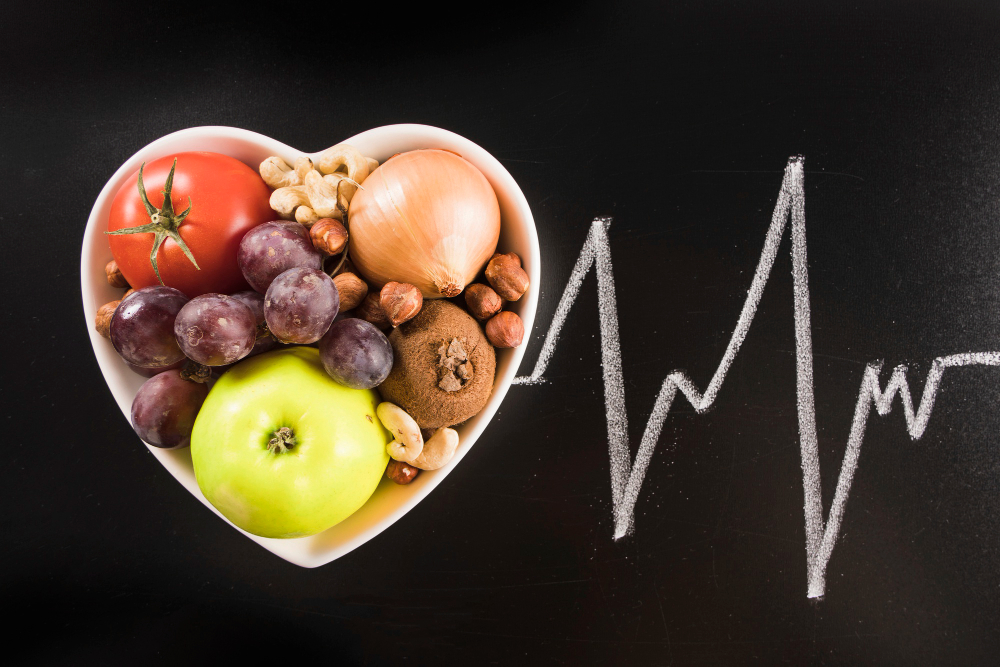
How Lifestyle Influences Cholesterol More Than Single Foods
According to large population studies, cholesterol levels respond best to overall lifestyle patterns, not individual foods.
Key factors include:
- Regular physical activity
- Adequate sleep
- Stress management
- Balanced dietary patterns
No single food determines cholesterol health on its own.
FAQs: Cholesterol Myths and Facts
Is cholesterol always harmful?
No. Cholesterol is essential for normal body functions; risk depends on how it circulates in the blood.
Does eating eggs raise cholesterol?
For most people, eggs have minimal impact on blood cholesterol when eaten as part of a balanced diet.
Is HDL always good cholesterol?
HDL is generally beneficial, but extremely high levels don’t always mean lower risk.
Can lifestyle changes affect cholesterol?
Yes. Physical activity, diet quality, sleep, and stress all influence cholesterol levels.
Should everyone avoid fats?
No. Research shows that healthy fats can support better lipid profiles.
Final Thoughts
Understanding cholesterol myths and facts helps people make informed, calm decisions instead of reacting to fear-based headlines. Modern research shows cholesterol health is complex, individualized, and strongly linked to lifestyle patterns, not single foods or isolated numbers.
Education—not restriction—is the foundation of long-term heart health.
#CholesterolFacts #HeartHealth #NutritionScience #HealthEducation #Wellness
With care,
Hassan Tariq
Founder of IdeasBlooming