
 By hassantariq
Losing weight is confusing when every diet tells you something different about carbs, fats, or calories. The real difference is not willpower — it is choosing the right foods that support your body. This science-backed guide explains the best foods for weight loss, focusing on options that keep you full, stabilize blood sugar, and support long-term fat loss and health. If your goal is sustainable weight loss, better energy, and a calmer relationship with food, this article is for you.
Why Food Choice Matters More Than Calories Alone
Weight loss is often described as “calories in vs calories out,” but research shows that food quality strongly affects hunger, metabolism, and adherence.
According to a systematic review published in nutrition research journals, diets built around whole, minimally processed foods lead to better weight loss outcomes than calorie counting alone.
Foods that support weight loss typically:
- Increase fullness
- Stabilize blood sugar
- Preserve muscle mass
- Reduce overeating
What Makes a Food Good for Weight Loss?
Before listing foods, it helps to understand why certain foods work better.
Weight-loss-friendly foods usually have:
- High protein or fiber
- Low energy density (fewer calories per bite)
- Minimal processing
- Strong satiety effect
These factors help you eat fewer calories without feeling deprived.
Best Foods for Weight Loss Backed by Science
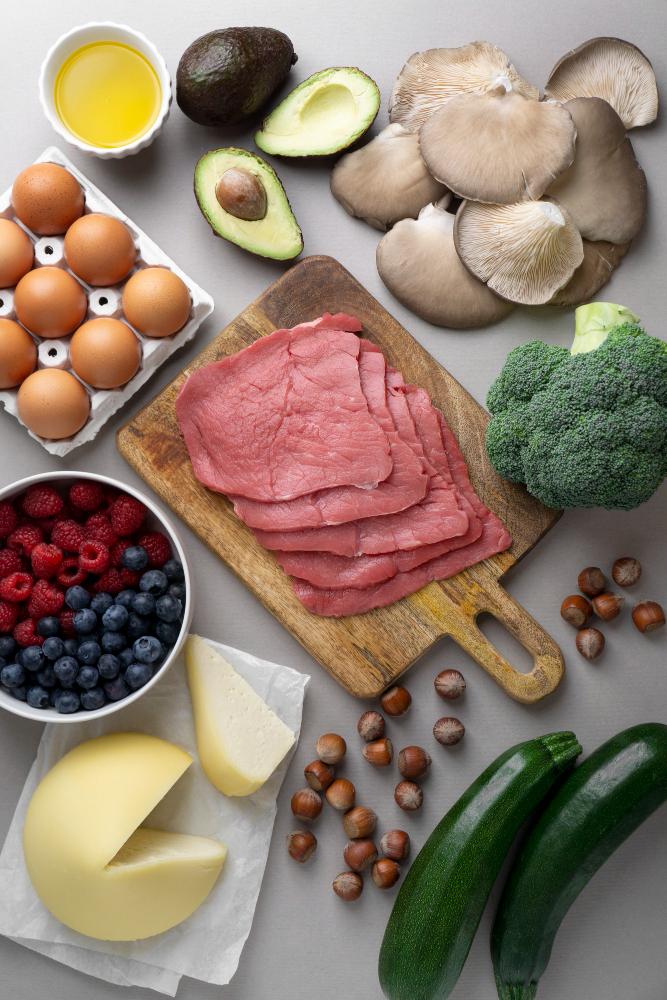
1. Lean Protein Foods
Protein is one of the most important nutrients for weight loss.
Research published in peer-reviewed journals shows that higher protein intake increases fullness and preserves lean muscle during fat loss.
Best protein choices:
- Eggs
- Chicken breast
- Fish
- Greek yogurt
- Lentils and beans
Protein also slightly increases calorie burning due to its thermic effect.
2. Vegetables (Especially Non-Starchy Ones)
Vegetables provide volume with very few calories.
According to research from Harvard Health, diets rich in vegetables are linked to lower body weight and better metabolic health.
Best vegetables for weight loss:
- Spinach
- Broccoli
- Cauliflower
- Zucchini
- Bell peppers
They are high in fiber, which slows digestion and improves satiety.
3. Fruits (In the Right Portions)
Fruits contain natural sugar, but they also provide fiber, water, and antioxidants.
Clinical studies suggest that whole fruits support weight loss, unlike fruit juices.
Best fruits for weight loss:
- Apples
- Berries
- Oranges
- Pears
Eating fruit whole helps control appetite and reduces cravings.
4. Whole Grains Instead of Refined Grains
Whole grains digest more slowly and keep you full longer.
Research published in major nutrition journals shows that people who eat more whole grains tend to have lower body fat.
Better grain choices:
- Oats
- Brown rice
- Quinoa
- Whole wheat
Avoid refined grains like white bread and sugary cereals.
5. Healthy Fats (In Moderation)
Fats are calorie-dense, but the right fats improve satiety and hormone balance.
According to research summarized by health organizations, unsaturated fats are associated with better weight management.
Healthy fat sources:
- Olive oil
- Avocados
- Nuts and seeds
- Fatty fish
The key is portion control, not elimination.
6. Legumes and Beans
Beans are a powerful but often overlooked weight-loss food.
They provide:
- Protein
- Fiber
- Slow-digesting carbohydrates
Studies show that regular legume consumption is linked to lower body weight and improved gut health.
Examples include:
- Chickpeas
- Black beans
- Lentils
- Kidney beans
7. Fermented and Gut-Friendly Foods
Emerging research suggests gut health plays a role in body weight regulation.
According to clinical studies, fermented foods may improve digestion and appetite control.
Examples:
- Yogurt
- Kefir
- Sauerkraut
- Kimchi
Choose versions without added sugar.
Comparison Table: Best Foods for Weight Loss
| Food Type | Key Benefit | Why It Helps |
|---|---|---|
| Protein foods | Fullness | Reduces hunger |
| Vegetables | Low calories | High volume |
| Whole grains | Stable energy | Slow digestion |
| Healthy fats | Satiety | Hormone support |
| Beans | Fiber + protein | Appetite control |
Foods That Can Slow Weight Loss
While no food is “forbidden,” some make weight loss harder.
Limit:
- Sugary drinks
- Refined snacks
- Fried foods
- Ultra-processed meals
According to research published in medical journals, ultra-processed foods are linked to higher calorie intake and weight gain.
How to Build a Weight-Loss Plate (Simple Method)
A practical approach supported by nutrition research:
- ½ plate vegetables
- ¼ plate protein
- ¼ plate whole grains or legumes
- Small portion of healthy fats
This method naturally controls calories without strict tracking.
assess your overall health indicators
How Long Does It Take to See Results?
Most studies show:
- Appetite improves within 1–2 weeks
- Weight changes appear in 3–4 weeks
- Sustainable fat loss occurs over months
Consistency matters more than perfection.
Common Myths About Weight-Loss Foods
Myth: Carbs always cause weight gain
Fact: Whole carbs support weight loss
Myth: Fat makes you fat
Fact: Healthy fats improve fullness
Myth: Skipping meals helps
Fact: It often increases overeating later
FAQs: Best Foods for Weight Loss
What is the best food for weight loss?
No single food works alone. Protein, vegetables, and whole foods together produce the best results.
Are carbs bad for weight loss?
No. Whole grains and fruits support weight loss when eaten in proper portions.
How much protein should I eat for weight loss?
Research suggests higher protein intake supports fullness and muscle retention, but needs vary individually.
Can I lose weight without cutting out fats?
Yes. Healthy fats in moderation can support satiety and hormone balance.
Is it better to focus on foods or calories?
Studies suggest focusing on food quality improves long-term success more than calorie counting alone.
Final Thoughts
The best foods for weight loss backed by science are not extreme or trendy. They are simple, whole foods that help your body regulate hunger naturally.
Instead of chasing quick fixes, focus on protein, vegetables, whole grains, healthy fats, and consistency. This approach supports fat loss while protecting your health.
You may also benefit from reviewing your overall health habits or exploring related nutrition guides on this site.
#WeightLoss #HealthyEating #Nutrition #FatLoss #Wellness #ScienceBased
With care,
Hassan Tariq
Founder of IdeasBlooming