
 By hassantariq
Digestive discomfort, bloating, and low energy are common concerns today. Many people are now exploring the benefits of probiotic foods for gut health to support digestion naturally and improve overall wellness.
Your gut is home to trillions of microorganisms, collectively known as the gut microbiome. When this ecosystem is balanced, it supports digestion, immunity, and even mental health. In this guide, you’ll learn the science-backed benefits of probiotic foods for gut health, the best natural sources, and how to include them safely in your diet.
What Are Probiotic Foods?
Probiotic foods contain live beneficial bacteria that may support a healthy gut microbiome.
Common examples include:
- Yogurt with live cultures
- Kefir
- Sauerkraut
- Kimchi
- Miso
- Tempeh
According to research published in peer-reviewed nutrition journals, probiotics may help restore microbial balance, especially after disruptions such as illness or antibiotic use.
Why Is Gut Health Important?
The gut plays a major role in:
- Digesting food
- Absorbing nutrients
- Supporting immune function
- Communicating with the brain
Clinical studies suggest that gut bacteria influence inflammation levels and metabolic health. Major organizations like the NIH and Harvard Health emphasize the importance of maintaining microbiome diversity through diet.
Benefits of Probiotic Foods for Gut Health
1️⃣ Support Healthy Digestion
One of the most recognized benefits of probiotic foods for gut health is digestive support.
According to systematic reviews, certain probiotic strains may help reduce occasional bloating and improve stool consistency.
They may support:
- Better digestion
- Reduced occasional discomfort
- Improved gut motility
2️⃣ Help Maintain Microbiome Balance
Antibiotics, stress, and poor diet can disturb gut bacteria.
Research published in medical journals suggests probiotics may help restore microbial diversity after temporary imbalances.
3️⃣ Support Immune Function
Did you know that a large portion of your immune system resides in your gut?
Clinical studies suggest that probiotic foods may influence immune signaling pathways. The World Health Organization (WHO) recognizes the role of gut microbiota in immune health.
4️⃣ May Support Metabolic Health
Emerging research indicates a relationship between gut bacteria and metabolic processes.
According to systematic reviews, certain probiotic strains may support healthy blood sugar and lipid metabolism, although results vary by individual.
5️⃣ Gut-Brain Connection
The gut and brain communicate through the “gut-brain axis.”
Research published in neuroscience and nutrition journals suggests the microbiome may influence mood and stress responses. While more research is ongoing, this is an exciting area of study.
Best Probiotic Foods for Gut Health
Here is a simple comparison table:
| Food | Type of Bacteria | Best For | How to Use |
|---|---|---|---|
| Yogurt | Lactobacillus | Daily digestive support | Breakfast or snack |
| Kefir | Multiple strains | Microbiome diversity | Smoothies |
| Sauerkraut | Fermented cabbage | Gut balance | Side dish |
| Kimchi | Fermented vegetables | Digestive variety | Meals |
| Miso | Fermented soy | Gut & flavor boost | Soups |
How to Add Probiotic Foods Safely
Start slowly.
Adding too much fermented food at once may cause temporary digestive discomfort.
Tips:
- Begin with small servings
- Choose products with “live cultures”
- Pair probiotics with fiber-rich foods (prebiotics)
Use our BMI calculator to assess healthy weight range
Explore our plant-based diet meal guide
Read our guide on improving digestion naturally
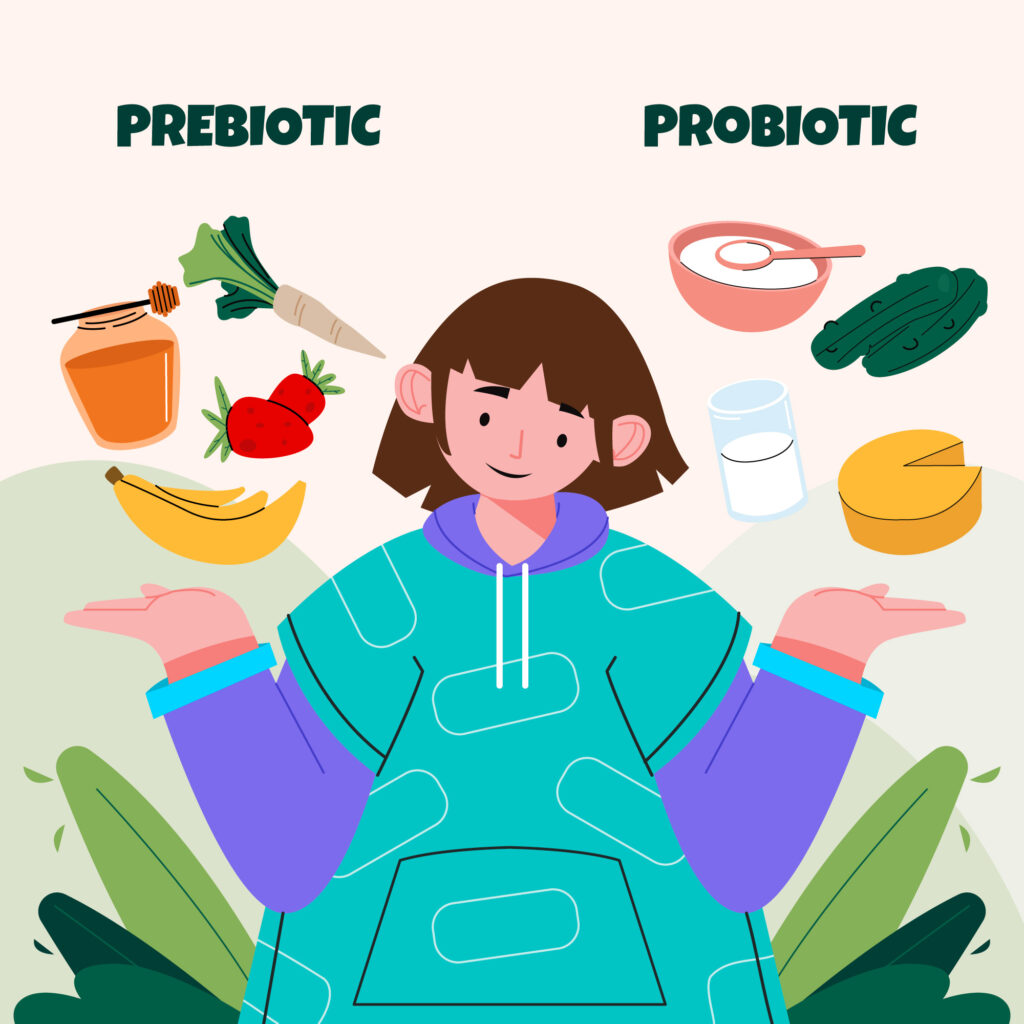
Probiotics vs Prebiotics: What’s the Difference?
| Probiotics | Prebiotics |
|---|---|
| Live beneficial bacteria | Fiber that feeds good bacteria |
| Found in fermented foods | Found in garlic, onions, bananas |
| Support microbiome balance | Help probiotics thrive |
Both are important for gut health.
What Does Research Say?
According to systematic reviews published in nutrition journals:
- Some probiotic strains may support digestive regularity
- Certain strains may influence immune response
- Effects vary depending on the strain and individual
Major health organizations emphasize that probiotics are supportive tools, not cures.
Frequently Asked Questions
What are the main benefits of probiotic foods for gut health?
Probiotic foods may support digestion, microbiome balance, and immune function when included regularly in a balanced diet.
How often should I eat probiotic foods?
Moderate daily intake of fermented foods like yogurt or kefir is common, but individual tolerance varies.
Are probiotic supplements better than foods?
Whole foods provide additional nutrients and fiber. Supplements may be useful in specific situations under professional guidance.
Can probiotic foods improve immunity?
Research suggests they may support immune signaling, but they are not treatments or cures.
Do probiotic foods help with bloating?
Some studies suggest certain strains may help reduce occasional bloating, but results differ among individuals.
Final Thoughts
The benefits of probiotic foods for gut health are supported by growing scientific research. Including natural fermented foods in a balanced diet may help support digestion, immune function, and overall well-being.
Consistency, variety, and whole-food choices matter more than trends. As always, personalized advice from healthcare professionals is recommended for specific health concerns.
#GutHealth #ProbioticFoods #HealthyDigestion #Microbiome #WellnessNutrition
With care,
Hassan Tariq
Founder of IdeasBlooming