
 By hassantariq
Feeling uncomfortable or noticing your stomach expanding after meals can be frustrating. If you’ve ever wondered, why does my stomach bloat after eating, you’re not alone. Many people experience bloating regularly, and it can happen for a variety of reasons.
Bloating is usually caused by gas buildup, digestive issues, or food sensitivities. While it is often harmless, frequent bloating can affect your comfort and daily life. Understanding the causes can help you make simple changes that improve digestion and reduce discomfort.
In this article, you’ll learn the most common reasons behind bloating after eating, what might trigger it, and practical steps you can take to manage it naturally.
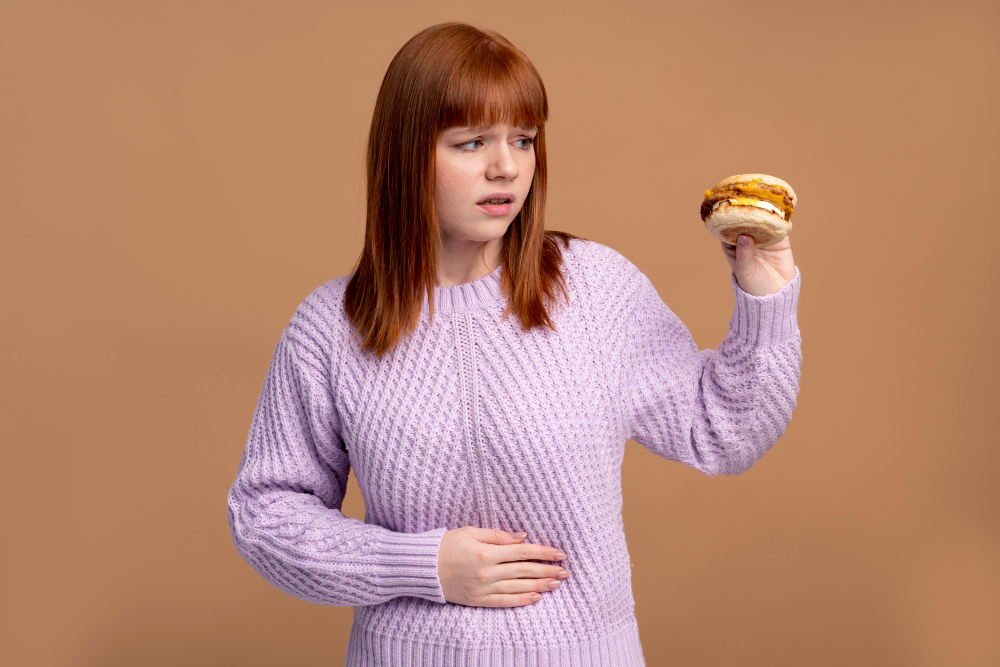
What Is Bloating After Eating?
Bloating refers to a feeling of fullness, tightness, or swelling in the abdomen. It often occurs after meals and may be accompanied by gas, discomfort, or mild pain.
This can happen when:
- gas builds up in the digestive system
- food is not properly digested
- the gut becomes sensitive to certain foods
Occasional bloating is common, but frequent symptoms may indicate underlying digestive issues.
Why Does My Stomach Bloat After Eating?
There are several possible reasons why bloating occurs after meals.
1. Eating Too Quickly
When you eat too fast, you swallow extra air along with your food. This air can get trapped in your digestive system and cause bloating.
Tips to improve
- eat slowly and chew properly
- avoid talking while eating
- take smaller bites
2. Gas-Producing Foods
Some foods naturally produce more gas during digestion.
Common examples include:
- beans
- lentils
- carbonated drinks
- broccoli and cabbage
These foods are healthy but can lead to stomach bloating after eating in some people.
3. Food Intolerances
Food sensitivities can trigger bloating and discomfort.
Common intolerances include:
- lactose (dairy products)
- gluten (wheat-based foods)
Research published in digestive health studies suggests that food intolerances can affect gut function and lead to bloating symptoms.
4. Poor Digestion
If your body struggles to break down food efficiently, it can result in gas buildup and bloating.
Factors that affect digestion include:
- low stomach acid
- lack of digestive enzymes
- imbalanced gut bacteria
5. Overeating
Eating large portions can overwhelm your digestive system.
This can lead to:
- delayed digestion
- increased gas production
- abdominal discomfort
6. Drinking Carbonated Beverages
Carbonated drinks contain gas, which can increase pressure in your stomach.
Examples include:
- soda
- sparkling water
Reducing these drinks can help minimize bloating.
7. Stress and Anxiety
Stress affects digestion more than many people realize.
Clinical studies suggest that stress can slow digestion and increase sensitivity in the gut, leading to bloating.
8. Gut Health Imbalance
An imbalance in gut bacteria may affect digestion.
Healthy gut bacteria help break down food and reduce gas formation.
Poor gut health may lead to:
- bloating
- discomfort
- irregular digestion
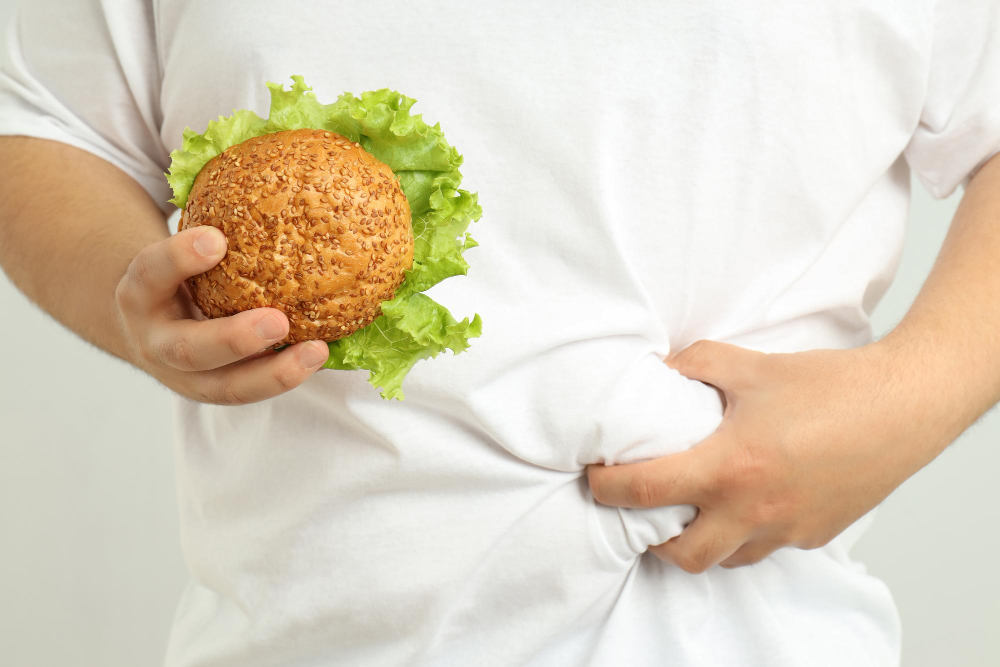
Common Causes of Bloating After Eating (Quick Overview)
| Cause | Effect | Example |
|---|---|---|
| Eating fast | Air swallowing | Large meals quickly |
| Gas foods | Gas buildup | Beans, cabbage |
| Intolerance | Poor digestion | Dairy, gluten |
| Overeating | Slow digestion | Large portions |
| Carbonation | Gas pressure | Soda drinks |
How to Reduce Bloating After Eating
If you frequently experience bloating, simple lifestyle changes can help.
Eat Slowly
Taking time to chew properly improves digestion and reduces swallowed air.
Watch Food Triggers
Identify foods that cause bloating and adjust your diet accordingly.
Stay Hydrated
Drinking water supports digestion and helps prevent discomfort.
Improve Gut Health
Include foods that support digestion such as:
- yogurt
- fiber-rich foods
- fermented foods
You can also explore our guide to gut health foods for more detailed tips.
When Should You Be Concerned?
Occasional bloating is usually harmless. However, frequent or severe symptoms may need attention.
Seek guidance if you experience:
- persistent pain
- unexplained weight loss
- severe digestive discomfort
Health organizations such as NIH and digestive health research sources emphasize the importance of evaluating ongoing digestive symptoms.
How Digestion Works After Eating
Understanding digestion can help explain bloating.
After eating:
- food enters the stomach
- it is broken down by enzymes
- nutrients are absorbed in the intestines
- gas may form during digestion
If any step is disrupted, bloating can occur.
Lifestyle Habits That Improve Digestion
Improving daily habits can reduce bloating significantly.
Healthy habits include
- eating balanced meals
- avoiding overeating
- managing stress
- staying active
You can also read our article about daily healthy habits to support better digestion.

FAQ
Why does my stomach bloat after eating even small meals?
Bloating after small meals can occur due to food sensitivities, poor digestion, or swallowing air while eating quickly.
Which foods cause bloating the most?
Foods like beans, dairy, carbonated drinks, and certain vegetables can cause bloating in some individuals.
Is bloating after eating normal?
Occasional bloating is common, but frequent or severe bloating may need further evaluation.
How can I reduce bloating quickly?
Eating slowly, avoiding trigger foods, and staying hydrated can help reduce bloating.
Does stress cause bloating?
Yes. Stress can affect digestion and lead to symptoms like bloating and discomfort.
#Bloating #DigestiveHealth #GutHealth #HealthyLiving #NutritionTips #Wellness
With care,
Hassan Tariq
Founder of IdeasBlooming