
 By hassantariq
Heart health is one of the most important aspects of overall wellbeing. Cardiovascular diseases remain one of the leading global health concerns, and lifestyle choices — especially diet — play a significant role in maintaining heart function.
Understanding foods for better heart health can help people make informed dietary decisions that support long-term wellbeing. Scientific research shows that certain foods may support healthy cholesterol levels, blood pressure balance, and overall cardiovascular function.
In this guide, we explore which foods to eat and which foods to limit for better heart health, based on findings from nutrition research and major health organizations.
Why Diet Matters for Heart Health
The heart pumps blood continuously throughout the body, delivering oxygen and nutrients to tissues. Nutrition directly influences several key factors associated with cardiovascular wellbeing.
Research published in medical journals indicates that diet can influence:
- Cholesterol levels
- Blood pressure
- Inflammation markers
- Body weight and metabolism
According to organizations such as Harvard Health and the World Health Organization (WHO), dietary patterns rich in whole foods and low in processed ingredients are associated with improved cardiovascular health.
Foods to Eat for Better Heart Health
Certain foods contain nutrients that support cardiovascular function. These foods are often rich in fiber, healthy fats, antioxidants, and essential vitamins.
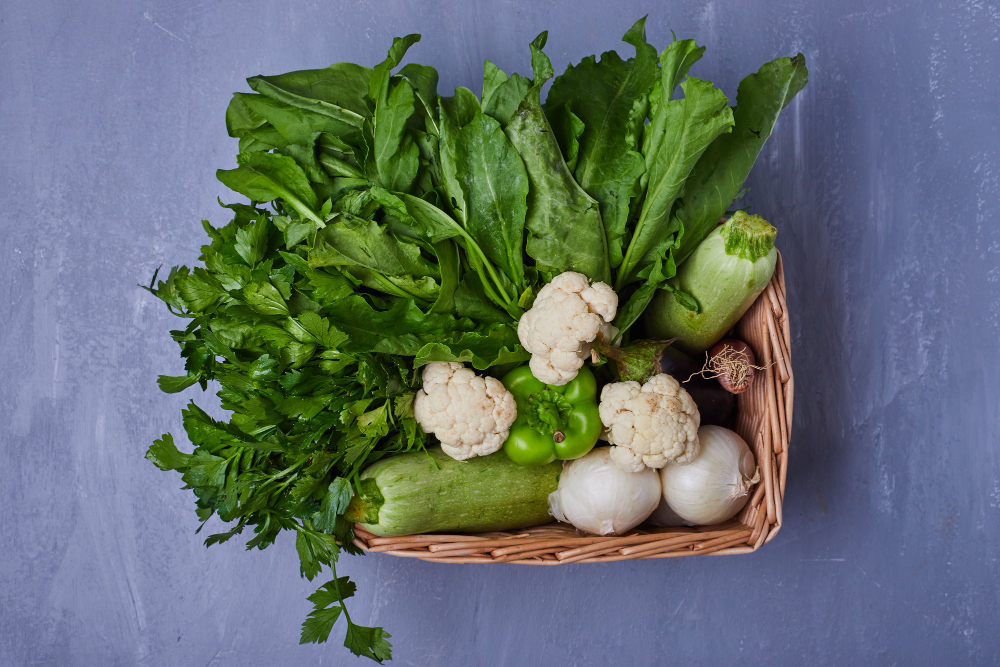
1. Leafy Green Vegetables
Leafy greens are widely recognized for their nutritional value.
Examples include:
- Spinach
- Kale
- Swiss chard
- Arugula
Research published in nutrition studies suggests leafy vegetables contain compounds such as nitrates and antioxidants that may support healthy blood vessel function.
2. Fatty Fish
Fatty fish are a well-known source of omega-3 fatty acids.
Common examples:
- Salmon
- Sardines
- Mackerel
- Tuna
According to a systematic review in cardiovascular research journals, omega-3 fatty acids are associated with heart health support and may influence triglyceride levels.
3. Whole Grains
Whole grains contain fiber and nutrients that support metabolic balance.
Examples include:
- Oats
- Brown rice
- Quinoa
- Whole wheat
Clinical studies suggest dietary fiber from whole grains may contribute to improved cholesterol profiles.
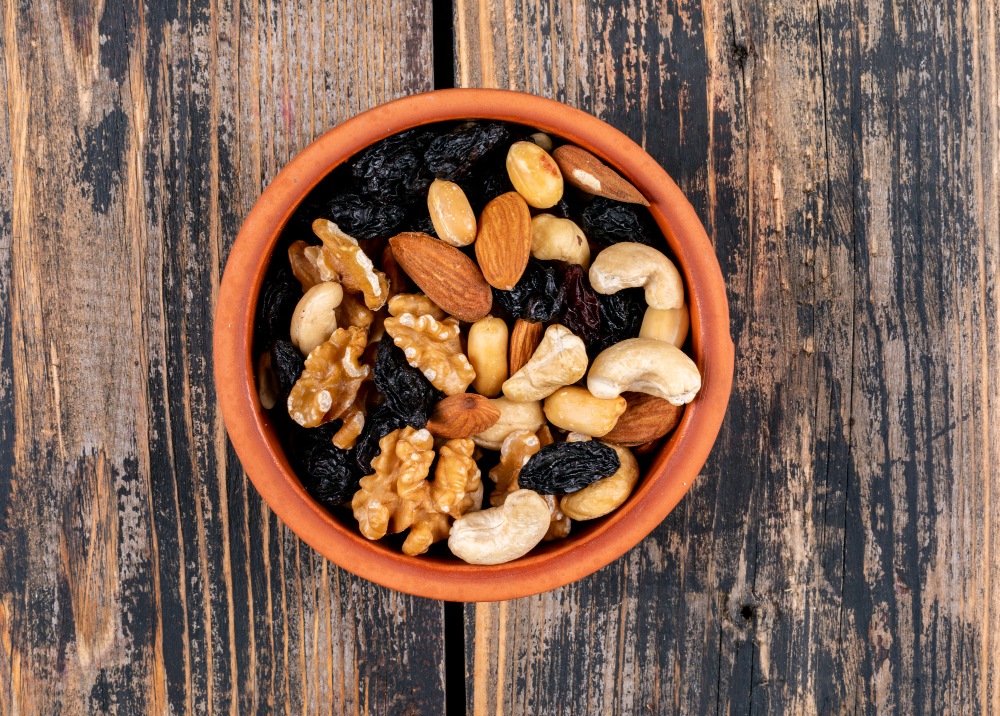
4. Nuts and Seeds
Nuts and seeds provide healthy fats, fiber, and plant compounds.
Examples include:
- Almonds
- Walnuts
- Chia seeds
- Flaxseeds
Nutrition research suggests moderate consumption of nuts may support cardiovascular health when part of a balanced diet.
5. Fruits Rich in Antioxidants
Fruits provide vitamins, minerals, and antioxidants that may support cardiovascular wellbeing.
Examples include:
- Berries
- Oranges
- Apples
- Pomegranates
Antioxidants help protect cells from oxidative stress, which has been studied in relation to heart health.
Foods to Limit or Avoid for Heart Health
Just as certain foods support heart health, others may contribute to unfavorable metabolic effects when consumed frequently.
1. Highly Processed Foods
Ultra-processed foods often contain high levels of:
- Sodium
- Added sugars
- Refined carbohydrates
Research published in public health studies suggests diets high in processed foods are associated with higher cardiovascular risk.
Examples include:
- Packaged snacks
- Instant meals
- Sugary breakfast cereals
2. Trans Fats
Artificial trans fats have been widely studied for their effects on cholesterol levels.
They may increase LDL cholesterol and decrease HDL cholesterol.
Common sources include:
- Some baked goods
- Fried foods
- Hydrogenated oils
Many countries have limited or banned industrial trans fats due to their health impact.
3. Excess Added Sugar
High intake of added sugars may influence metabolic health.
Common sources:
- Sugary beverages
- Candy
- Sweet desserts
Research published in nutrition journals suggests excessive sugar intake may contribute to metabolic imbalance.
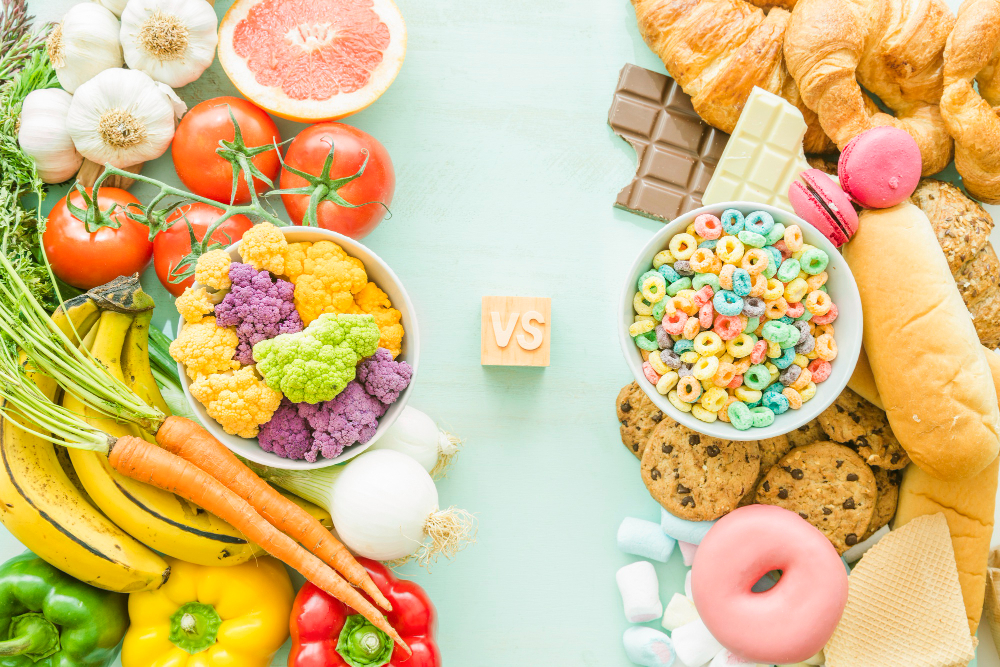
Comparison Table: Heart Healthy vs Less Healthy Foods
| Heart Healthy Foods | Nutritional Benefit | Foods to Limit |
|---|---|---|
| Leafy greens | Rich in antioxidants | Processed snacks |
| Fatty fish | Omega-3 fatty acids | Trans fat foods |
| Whole grains | High fiber | Refined carbohydrates |
| Nuts and seeds | Healthy fats | Sugary beverages |
Balanced dietary choices can influence cardiovascular wellbeing over time.
Additional Lifestyle Habits for Heart Health
Nutrition is only one part of maintaining cardiovascular wellbeing.
Research suggests that lifestyle factors also play an important role.
Helpful habits include:
- Regular physical activity
- Adequate sleep
- Stress management
- Maintaining a healthy body weight
Explore our full body workout plan for beginners
Use our BMI calculator to monitor health
How a Balanced Diet Supports Heart Function
Heart-friendly diets typically emphasize:
- Plant-based foods
- Healthy fats
- Lean proteins
- Reduced processed ingredients
Nutrition research often highlights dietary patterns such as the Mediterranean-style diet, which focuses on whole foods and healthy fats.
Frequently Asked Questions
What are the best foods for better heart health?
Leafy vegetables, fatty fish, whole grains, nuts, seeds, and antioxidant-rich fruits are commonly recommended in heart-healthy diets.
Which foods should be avoided for heart health?
Highly processed foods, artificial trans fats, and excessive added sugars are often recommended to be limited.
Can diet alone improve heart health?
Diet plays an important role, but physical activity, sleep, and stress management also influence cardiovascular wellbeing.
Are healthy fats good for heart health?
Healthy fats from foods such as nuts, seeds, and fatty fish are commonly included in balanced diets.
How quickly can diet affect heart health?
Changes in diet may influence metabolic markers over time, though individual responses vary.
Final Thoughts
Understanding foods for better heart health allows individuals to make informed nutritional choices that support long-term wellbeing.
Research consistently highlights the importance of whole foods, balanced nutrition, and reduced consumption of highly processed ingredients.
While no single food guarantees heart health, consistent dietary habits combined with healthy lifestyle choices may contribute to improved cardiovascular wellbeing.
#HeartHealth #HealthyEating #Nutrition #Wellness #HealthyLifestyle
With care,
Hassan Tariq
Founder of IdeasBlooming