
 By hassantariq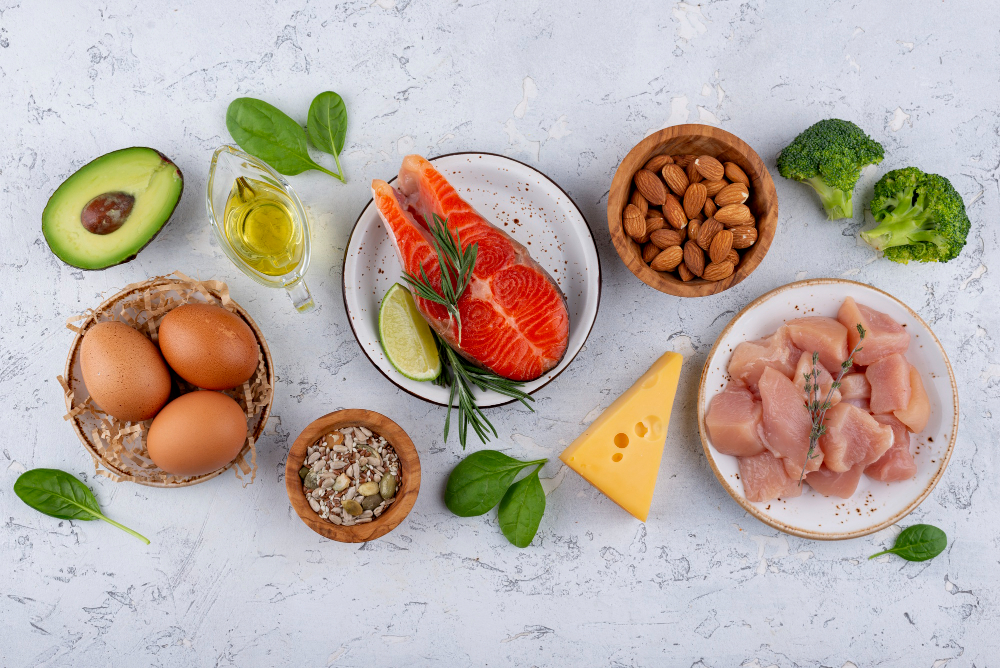
Many people want to build muscle and lose fat at the same time, but they struggle with hunger, low energy, or confusing diet advice. One nutrient consistently supported by research for body composition is protein. Eating the right high protein foods helps preserve muscle, control appetite, and support fat loss without extreme dieting.
This guide explains the top high protein foods backed by science, how they help with muscle building and fat loss, and how to include them in a balanced, sustainable way.
Why High Protein Foods Matter for Muscle and Fat Loss
Protein plays a unique role in the body compared to carbohydrates and fats.
According to a systematic review published in nutrition research journals, higher protein intake is associated with:
- Increased muscle protein synthesis
- Reduced appetite and cravings
- Higher calorie burn through digestion
- Better preservation of lean mass during weight loss
This makes high protein foods essential for anyone focused on improving body composition.
How Much Protein Do You Actually Need?
Protein needs vary based on activity, age, and goals.
Clinical studies suggest that people aiming to build muscle or lose fat may benefit from moderate to higher protein intake compared to the general population.
Rather than focusing on exact numbers, most research emphasizes:
- Including protein at every meal
- Choosing high-quality protein sources
- Spreading intake throughout the day
What Makes a Food High in Protein?
High protein foods typically provide:
- A large amount of protein per serving
- Essential amino acids
- High satiety relative to calories
Protein can come from both animal and plant sources, and research shows both can support muscle and fat loss when chosen wisely.
Top High Protein Foods Backed by Science
1. Eggs
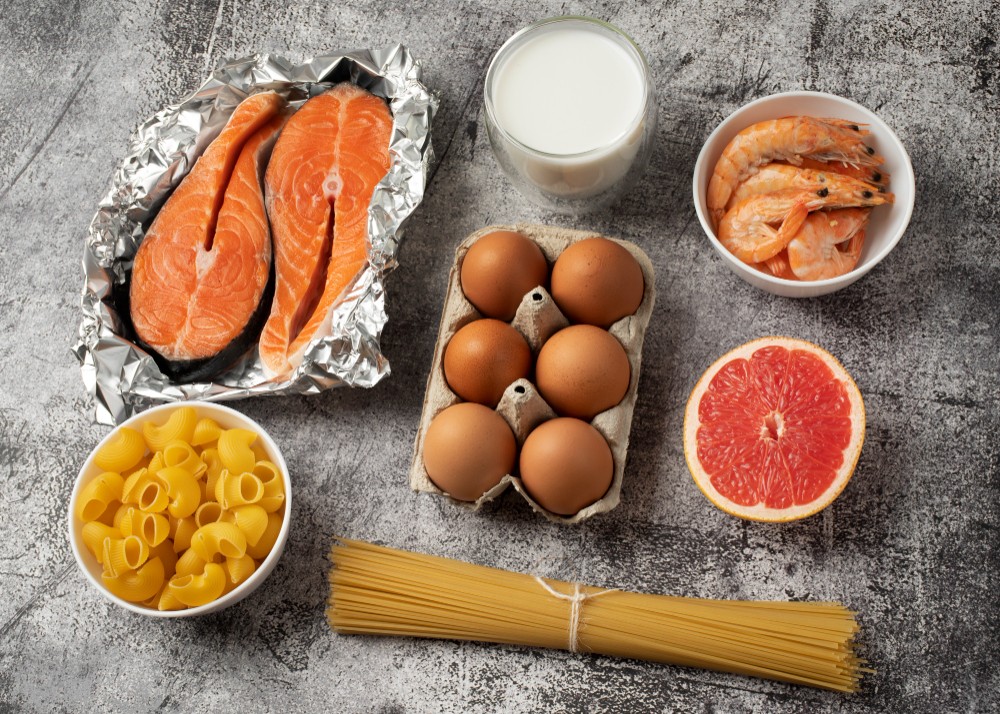
Eggs are one of the most studied high protein foods.
According to research published in clinical nutrition journals, eggs provide:
- High-quality protein
- Essential amino acids
- Strong satiety effects
Eating eggs as part of a balanced diet has been linked to improved fullness and muscle maintenance.
2. Lean Poultry (Chicken and Turkey)
Lean poultry is widely used in muscle-focused diets.
Clinical studies suggest lean meats support:
- Muscle protein synthesis
- Lean mass retention during fat loss
They are high in protein while being relatively low in calories when prepared without excess fat.
3. Fish and Seafood
Fish provides both protein and beneficial fats.
According to research published by major health organizations, fish consumption is associated with:
- Improved muscle recovery
- Reduced inflammation
- Better metabolic health
Examples include salmon, tuna, sardines, and white fish.
4. Greek Yogurt and Dairy-Based Proteins
Greek yogurt contains significantly more protein than regular yogurt.
Research published in medical journals suggests dairy proteins may support:
- Muscle maintenance
- Appetite control
- Bone health
Choose plain versions to avoid added sugars.
5. Legumes (Beans, Lentils, Chickpeas)
Plant-based protein sources are often overlooked.
According to a systematic review published in nutrition journals, legume consumption is linked to:
- Better weight control
- Improved metabolic markers
- Increased fullness
Legumes provide protein along with fiber, which enhances satiety.
6. Tofu, Tempeh, and Soy Products
Soy protein is one of the most complete plant proteins.
Clinical studies suggest soy-based foods can:
- Support muscle growth
- Improve body composition
- Serve as effective alternatives to animal protein
They are especially useful for plant-based diets.
7. Nuts and Seeds (in Moderation)
Nuts and seeds contain protein along with healthy fats.
Research published in peer-reviewed journals shows that regular nut intake is associated with:
- Better appetite control
- Reduced risk of weight gain
Portion control is important due to higher calorie density.
8. Protein-Rich Whole Grains
Some whole grains contribute meaningful protein.
Examples include:
- Quinoa
- Oats
- Buckwheat
They support energy needs while contributing to total protein intake.
Comparison Table: High Protein Foods
| Food Source | Protein Quality | Best For |
|---|---|---|
| Eggs | Complete | Muscle & fullness |
| Chicken | Complete | Lean mass |
| Fish | Complete | Recovery & fat loss |
| Greek yogurt | Complete | Satiety |
| Legumes | High | Plant-based diets |
| Tofu | Complete | Vegan protein |
High Protein Foods and Fat Loss: What Research Shows
Protein helps fat loss in several ways.
According to clinical studies:
- Protein reduces hunger hormones
- Increases thermic effect of food
- Helps maintain muscle during calorie reduction
Maintaining muscle is critical because muscle tissue supports metabolism.
Timing Protein for Best Results
Research published in sports nutrition journals suggests:
- Spreading protein across meals improves muscle synthesis
- Including protein at breakfast may reduce cravings later
- Post-exercise protein supports recovery
Consistency matters more than perfect timing.
Common Mistakes with High Protein Diets
Some common issues include:
- Ignoring fiber and vegetables
- Relying heavily on processed protein products
- Eating too little overall food
Research emphasizes diet quality and balance, not just protein quantity.
Simple High Protein Meal Structure
A practical approach:
- Protein source at every meal
- Vegetables or fruits for fiber
- Whole grains or healthy fats as needed
Know your BMI via our BMI Calculator
Know your calorie intake requirements via our Calorie Calculator
Are High Protein Foods Safe Long-Term?
According to research published by health organizations, moderate increases in protein intake from whole foods are safe for most healthy individuals.
Variety and hydration remain important for long-term health.
FAQs: High Protein Foods
What are the best high protein foods?
Eggs, lean meats, fish, dairy, legumes, and tofu are all supported by research.
Can high protein foods help with fat loss?
Yes. Studies show protein improves satiety and preserves muscle during fat loss.
Do plant-based proteins work for muscle building?
Research suggests plant proteins can support muscle when eaten in sufficient variety.
Is too much protein harmful?
Moderate increases from whole foods are generally safe for healthy adults.
Should protein be eaten at every meal?
Clinical studies suggest spreading protein intake improves results.
Final Thoughts
The top high protein foods backed by science can help you build muscle and lose fat when included as part of a balanced, whole-food diet. Protein works best alongside fiber-rich foods, adequate calories, and consistency.
Focus on quality, variety, and sustainability rather than extremes. This approach supports both performance and long-term health.
#HighProteinFoods #MuscleBuilding #FatLoss #Nutrition #HealthyEating #FitnessNutrition
With care,
Hassan Tariq
Founder of IdeasBlooming