
 By hassantariq
Trying to lose weight can feel overwhelming. New diets appear every year, each claiming to be the fastest or easiest solution. Many people cut calories aggressively, only to feel hungry, tired, and frustrated. The truth is that weight loss depends more on food quality than extreme restriction.
This guide explains the best foods for weight loss backed by science, focusing on foods that help control appetite, support metabolism, and improve overall health. Instead of trends or promises, you’ll find evidence-based clarity you can use every day.
Why Choosing the Right Foods Matters for Weight Loss
Weight loss is not just about eating less. Research published in major nutrition journals shows that different foods affect hunger, hormones, and calorie intake differently, even when calories are similar.
Foods that support weight loss tend to:
- Keep you full longer
- Reduce cravings
- Support stable blood sugar
- Protect muscle mass
According to a systematic review published in nutrition research, diets based on whole, minimally processed foods lead to better long-term weight control than diets focused only on calorie counting.
What Makes a Food Good for Weight Loss?
Before listing foods, it helps to understand the science behind them.
Weight-loss-friendly foods usually have:
- High protein or fiber content
- Low energy density (fewer calories per bite)
- Minimal processing
- Strong satiety effect
These properties help you naturally eat fewer calories without constant hunger.
Best Foods for Weight Loss Backed by Science
1. High-Protein Foods
Protein is one of the most researched nutrients for weight loss.
According to clinical studies, higher protein intake increases fullness, reduces hunger hormones, and preserves muscle during fat loss.
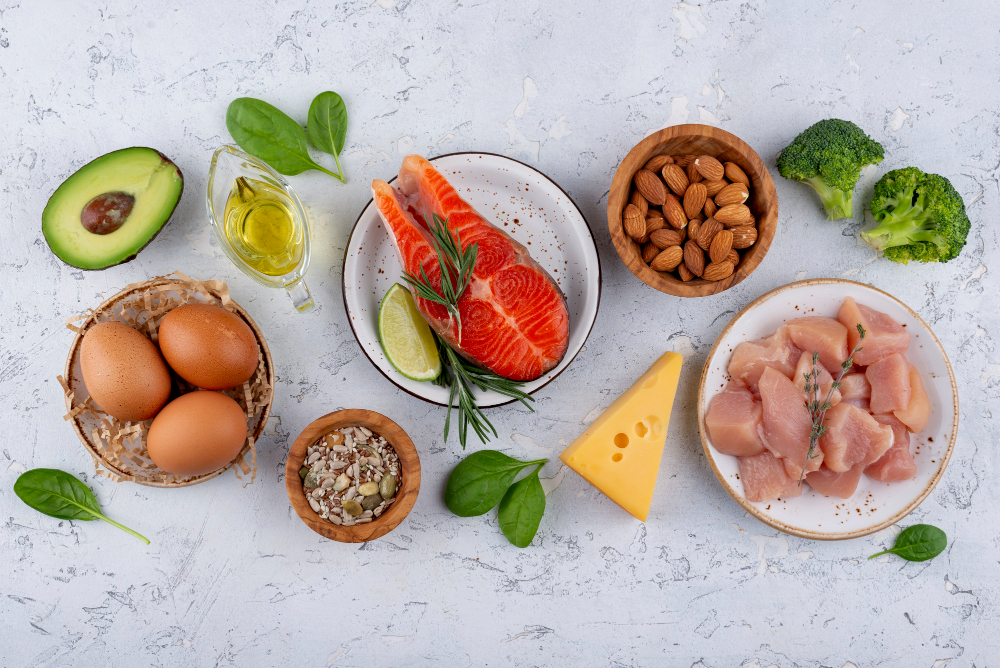
Best protein sources:
- Eggs
- Chicken breast
- Fish
- Greek yogurt
- Tofu and legumes
Protein also slightly increases calorie burning due to the thermic effect of food.
2. Non-Starchy Vegetables
Vegetables are low in calories but high in volume and fiber.
Research published by Harvard Health shows that diets rich in vegetables are linked to lower body weight and reduced risk of weight gain.
Best vegetables for weight loss:
- Spinach
- Broccoli
- Cauliflower
- Zucchini
- Bell peppers
These foods add bulk to meals, helping you feel satisfied with fewer calories.
3. Fruits (Whole, Not Juiced)
Fruits often get a bad reputation due to natural sugar, but science tells a different story.
According to research published in medical journals, whole fruit consumption is associated with better weight control, while fruit juices are linked to weight gain.
Best fruits for weight loss:
- Apples
- Berries
- Oranges
- Pears
Whole fruits provide fiber and water, which slow digestion and improve satiety.
4. Whole Grains Instead of Refined Carbs
Whole grains digest more slowly than refined grains and support fullness.
Research published in peer-reviewed nutrition journals shows that people who eat more whole grains tend to have lower body fat and healthier waist measurements.
Better grain choices:
- Oats
- Brown rice
- Quinoa
- Whole wheat
Avoid refined grains like white bread, pastries, and sugary cereals.
5. Healthy Fats in Controlled Portions
Fat is calorie-dense, but not all fats are harmful.
According to research summarized by major health organizations, unsaturated fats improve satiety and may support weight management when eaten in moderation.
Healthy fat sources:
- Olive oil
- Avocados
- Nuts and seeds
- Fatty fish
The key is portion awareness, not elimination.
6. Beans and Legumes
Beans combine protein, fiber, and slow-digesting carbohydrates.
According to a systematic review published in nutrition research, regular legume intake is linked to lower body weight and improved metabolic health.
Examples include:
- Lentils
- Chickpeas
- Black beans
- Kidney beans
They are filling, affordable, and versatile.
7. Fermented and Gut-Friendly Foods
Emerging research suggests gut health influences weight regulation.
Clinical studies suggest that fermented foods may support digestion and appetite control through the gut microbiome.
Examples:
- Yogurt
- Kefir
- Sauerkraut
- Kimchi
Choose plain versions without added sugars.
Comparison Table: Weight-Loss-Supporting Foods
| Food Type | Main Benefit | Why It Helps |
|---|---|---|
| Protein foods | Fullness | Reduces hunger |
| Vegetables | Low calories | High volume |
| Whole grains | Steady energy | Slow digestion |
| Healthy fats | Satiety | Hormone support |
| Legumes | Fiber + protein | Appetite control |
Foods That Can Make Weight Loss Harder
While no food needs to be completely banned, some make weight loss more difficult when eaten often.
Limit:
- Sugary drinks
- Ultra-processed snacks
- Fried foods
- Refined carbohydrates
Research published in medical journals links ultra-processed foods to higher calorie intake and increased weight gain.
How to Build a Simple Weight-Loss Plate
A practical, science-supported method:
- ½ plate vegetables
- ¼ plate protein
- ¼ plate whole grains or legumes
- Small portion of healthy fats
This approach naturally controls calories and improves nutrient intake.
How Long Does It Take to See Results?
According to research:
- Appetite often improves within 1–2 weeks
- Weight changes become noticeable in 3–4 weeks
- Sustainable fat loss happens over months
Consistency matters more than speed.
Common Myths About Weight-Loss Foods
Myth: Carbs always cause weight gain
Fact: Whole carbs support weight loss
Myth: Fat makes you fat
Fact: Healthy fats increase fullness
Myth: Skipping meals speeds weight loss
Fact: It often increases overeating later
FAQs: Best Foods for Weight Loss
What are the best foods for weight loss?
Protein-rich foods, vegetables, whole grains, fruits, and healthy fats work best together.
Can I lose weight without cutting carbs?
Yes. Whole carbohydrates support weight loss when eaten in balanced portions.
Is protein important for weight loss?
Yes. Research shows protein helps control hunger and preserve muscle.
Are fats allowed in a weight-loss diet?
Yes. Healthy fats in moderation support satiety and hormone balance.
Is food quality more important than calories?
Research suggests focusing on food quality improves long-term weight-loss success.
Final Thoughts
The best foods for weight loss backed by science are simple, familiar, and sustainable. Whole foods that support fullness, nutrition, and balance consistently outperform extreme diets.
Focus on protein, vegetables, whole grains, healthy fats, and consistency. This approach supports fat loss while protecting long-term health.
You may also benefit from exploring related nutrition or lifestyle guides available on this site.
#WeightLoss #HealthyEating #Nutrition #FatLoss #Wellness #ScienceBased
With care,
Hassan Tariq
Founder of IdeasBlooming