
 By hassantariq
Falling sick again and again can be frustrating. Many people notice they catch colds in winter, feel low energy in summer, or struggle with infections during seasonal changes. While supplements and quick fixes are often promoted, building strong immunity naturally requires a more consistent, evidence-based approach.
This guide explains how to improve immunity naturally every season, using nutrition, lifestyle habits, and daily routines supported by scientific research. Instead of promises or shortcuts, you’ll learn what actually helps your immune system function well throughout the year.
Why Immunity Changes With Seasons
Your immune system does not work in isolation. It responds to:
- Temperature changes
- Sunlight exposure
- Diet and activity levels
- Sleep patterns
- Stress
According to research published in medical journals, seasonal changes can influence immune cell activity and inflammation levels. This is why a year-round immunity strategy works better than reacting only when you feel sick.
What Does “Strong Immunity” Really Mean?
A strong immune system does not mean never getting sick. It means:
- Fighting infections effectively
- Recovering faster
- Reducing severity of illness
According to a systematic review in immunology research, immunity depends on nutrition, sleep, physical activity, gut health, and stress regulation working together.
How to Improve Immunity Naturally Every Season
1. Focus on Immune-Supporting Nutrition
Nutrition plays a foundational role in immune health.
Research published in peer-reviewed nutrition journals shows that diets rich in whole foods support immune cell function and reduce inflammation.
Key nutrients for immunity include:
- Vitamin C
- Vitamin D
- Zinc
- Iron
- Protein
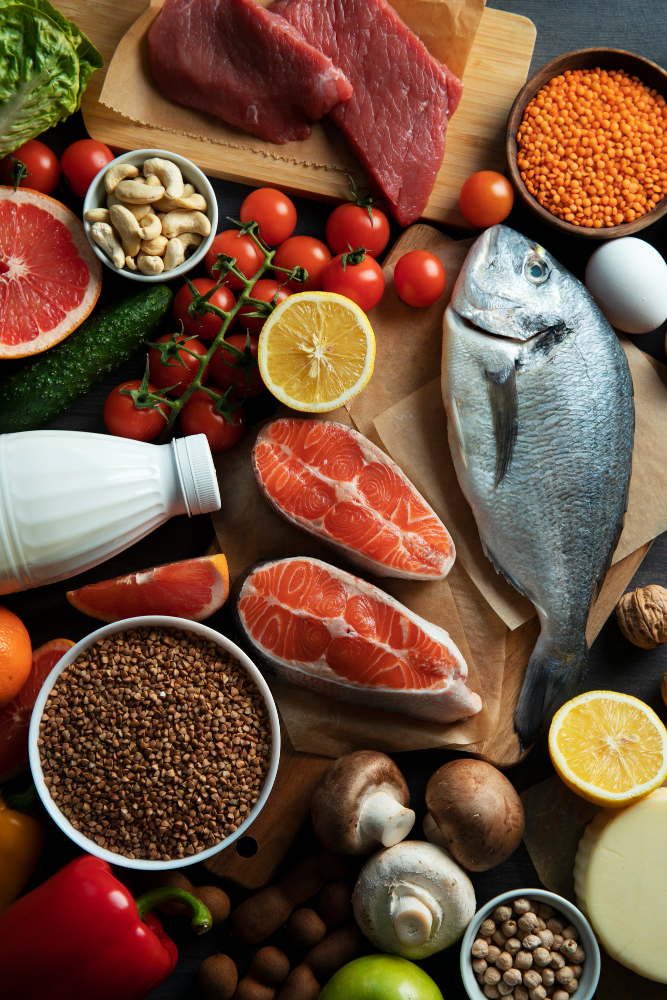
Best food sources:
- Citrus fruits, berries
- Leafy greens
- Eggs and fish
- Nuts and seeds
- Legumes
2. Support Gut Health for Better Immunity
A large portion of immune cells are connected to the gut.
According to research published by health organizations, a healthy gut microbiome helps regulate immune responses and inflammation.
Gut-friendly habits include:
- Eating fiber-rich foods
- Including fermented foods
- Avoiding excessive ultra-processed foods
Examples of gut-supportive foods:
- Yogurt and kefir
- Sauerkraut and kimchi
- Oats, beans, and vegetables
3. Get Adequate Sleep All Year Round
Sleep is one of the most overlooked immune boosters.
Clinical studies suggest that people who sleep less than 6–7 hours regularly have a weaker immune response to infections.
Sleep tips for immune health:
- Maintain a consistent sleep schedule
- Avoid screens before bedtime
- Get morning sunlight exposure
Even small improvements in sleep quality can support immune balance.
4. Stay Physically Active (But Not Overtrained)
Moderate exercise strengthens immune defenses, while excessive training can weaken them.
According to research published in sports medicine journals, regular moderate activity improves immune surveillance.
Best activities for immunity:
- Brisk walking
- Cycling
- Light strength training
- Yoga or stretching
Aim for consistency rather than intensity.
5. Manage Stress to Protect Immune Function
Chronic stress increases inflammation and suppresses immune response.
According to systematic reviews, stress hormones can interfere with immune cell signaling.
Practical stress-management strategies:
- Daily movement
- Deep breathing
- Short breaks during the day
- Adequate rest
Stress reduction supports immunity across all seasons.
Seasonal Immunity Tips: What Changes by Season?
Winter
- Prioritize vitamin D-rich foods
- Focus on warm, nutrient-dense meals
- Maintain sleep consistency
Summer
- Stay hydrated
- Protect sleep during longer daylight hours
- Eat seasonal fruits and vegetables
Monsoon / Allergy Seasons
- Support gut health
- Avoid heavily processed foods
- Focus on hygiene and recovery
Comparison Table: Year-Round Immunity Habits
| Habit | Why It Helps Immunity |
|---|---|
| Balanced diet | Provides immune nutrients |
| Quality sleep | Supports immune signaling |
| Regular exercise | Enhances immune response |
| Stress control | Reduces inflammation |
| Gut health | Regulates immunity |
Common Myths About Natural Immunity
Myth: Supplements alone can boost immunity
Fact: Diet and lifestyle matter more long-term
Myth: Immunity works the same year-round
Fact: Seasonal changes affect immune needs
Myth: More exercise is always better
Fact: Excess training may suppress immunity
How Long Does It Take to See Results?
Research suggests:
- Energy and digestion may improve in 1–2 weeks
- Immune resilience improves over several weeks
- Long-term benefits build with consistency
Improving immunity naturally is a long-term investment, not a quick fix.
FAQs: How to Improve Immunity Naturally
How can I improve immunity naturally every season?
By focusing on whole foods, quality sleep, regular activity, stress management, and gut health throughout the year.
Which foods help boost immunity naturally?
Fruits, vegetables, protein-rich foods, nuts, seeds, and fermented foods support immune function.
Does exercise improve immunity?
Moderate, consistent exercise supports immune health, while excessive training may weaken it.
Is sleep important for immunity?
Yes. Research shows poor sleep reduces immune response and increases illness risk.
Can lifestyle changes really improve immunity?
Clinical studies suggest lifestyle habits play a major role in long-term immune resilience.
Final Thoughts
Learning how to improve immunity naturally every season is about building daily habits that support your body consistently. Nutrition, sleep, movement, stress management, and gut health all work together to strengthen immune resilience.
Instead of reacting to illness, focus on preventive, science-backed routines that support your health year-round.
You may also find it helpful to explore related wellness or nutrition guides available on this site.
#Immunity #Wellness #HealthyLiving #Nutrition #NaturalHealth #PreventiveCare
With care,
Hassan Tariq
Founder of IdeasBlooming