
 By hassantariq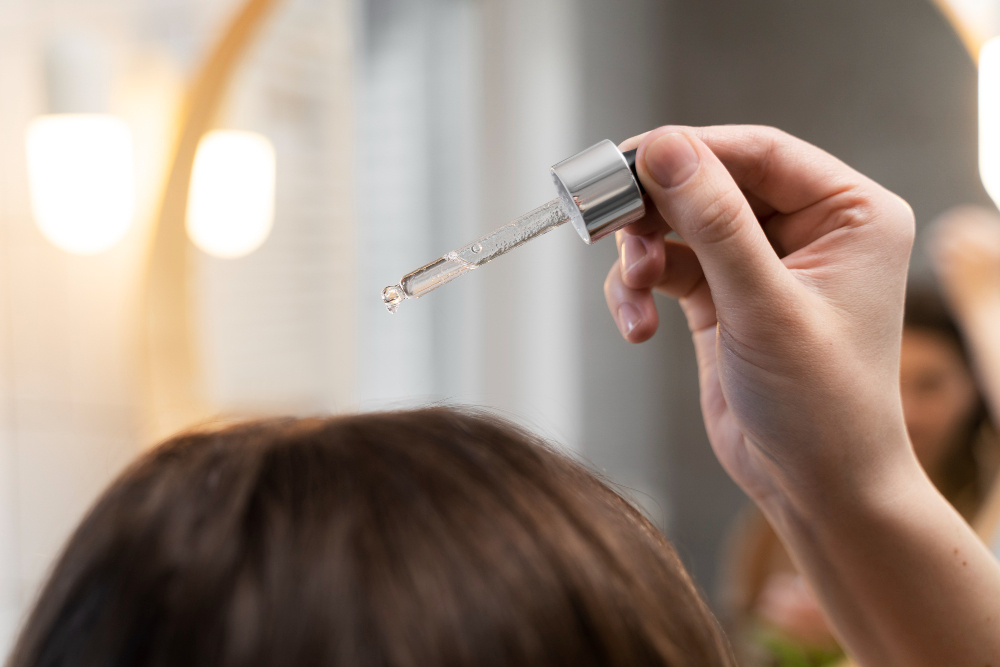
If you’re dealing with thinning hair, you’ve probably heard the same two names again and again: minoxidil vs finasteride. They’re the most common, evidence-backed options for androgenetic alopecia (male pattern hair loss). But they work differently, come with different side effects, and deliver “real results” on different timelines. This guide will also cover Minoxidil vs Finasteride: Side Effects and Real Results (What to Expect).
In this guide, you’ll learn:
- How minoxidil vs finasteride works (in simple terms)
- What results you can realistically expect at 3, 6, and 12 months
- Side effects to know (common and rare)
- Which option may fit your situation best
Note: This article is educational and not medical advice. Always consult a qualified clinician for personalized guidance—especially if you have health conditions, take medications, or are trying to conceive.
What’s the Main Difference Between Minoxidil and Finasteride?
Minoxidil (Topical)
Minoxidil is a topical hair regrowth treatment applied to the scalp. It helps stimulate hair growth and can reduce shedding for some users, but it requires consistency. Many products are designed for vertex (top of scalp) hair loss, and some labels warn it’s not intended for frontal hairline recession.
Finasteride (Oral Prescription)
Finasteride is a prescription tablet that targets a hormone pathway involved in male pattern hair loss. It’s indicated for male pattern hair loss in men only and is not indicated for women.
When comparing minoxidil vs finasteride, a simple way to remember it is:
- Minoxidil = stimulates growth locally
- Finasteride = reduces hormonal trigger (DHT) systemically
Minoxidil vs Finasteride: Real Results (Not Hype)
Let’s be honest: neither option is “magic.” The best outcome is usually:
- slowing hair loss
- thickening miniaturized hairs
- modest regrowth (especially if you start early)
What results can you expect with Minoxidil?
- Many people see some regrowth, but it takes time—often 6 to 12 months for noticeable results.
- Some labels note results may appear as early as 2 months, but many need at least 4 months of consistent use to judge response.
- If you stop, you may lose regrown hair within a few months.
What results can you expect with Finasteride?
- Benefits may be noticed after 3 months or more of daily use.
- Clinical improvements can be seen as early as 3 months, with continued benefit in longer-term studies when treatment is continued.
- If you stop, effects can reverse within about 12 months.
Head-to-head “real results” (one study example)
A comparative 12-month study in men with androgenetic alopecia reported higher “clinical cure” (increased hair intensity) in the finasteride group than the 5% topical minoxidil group, though both showed improvement and side effects were described as mild in that study.
Minoxidil vs Finasteride Timeline: 3, 6, and 12 Months
At ~3 months
Minoxidil:
- You may see early changes, but many are still waiting for visible improvement.
- Some people experience temporary shedding early on.
Finasteride:
- Many need 3 months or more before benefit is observed, and early improvements have been reported around this period in clinical assessments.
At ~6 months
Minoxidil:
- A clearer picture starts forming; some notice thicker hair and less shedding with consistent use.
Finasteride:
- Many see stabilization and visible improvement; longer-term benefits build with continued use.
At ~12 months
Minoxidil:
- Often the best time to evaluate whether it’s working for you (many see results between 6–12 months).
Finasteride:
- A strong point to evaluate progress; trial data shows meaningful differences versus placebo at 12 months for many users.
Minoxidil Side Effects: What’s Common vs Serious
Most minoxidil side effects are local (scalp-related), but there are also “stop use” warnings on labels.
Common side effects
- Scalp itching or irritation
- Redness or dryness (varies by formulation)
- Temporary increased shedding early on (often short-lived)
Less common but important warnings (seek medical advice)
Some product labels advise stopping and asking a doctor if you experience:
- chest pain, rapid heartbeat, faintness, dizziness
- sudden unexplained weight gain
- swelling in hands/feet
- persistent scalp irritation or redness
- unwanted facial hair growth

Finasteride Side Effects: What’s Common vs Serious
Finasteride is systemic, so side effects are different from minoxidil.
Commonly reported side effects (in trials)
The most commonly reported adverse reactions (≥1% and higher than placebo) include:
- decreased libido
- erectile dysfunction
- ejaculation disorder
The label also provides trial percentages for these effects versus placebo.
Important safety notes
- Finasteride is for men only for male pattern hair loss.
- It is contraindicated in pregnancy, and women who are or may be pregnant should not handle crushed or broken tablets due to potential risk to a male fetus.
Minoxidil vs Finasteride: Which Is Better for You?
When people search “minoxidil vs finasteride which is better for male pattern hair loss,” the most accurate answer is: it depends on your goal, risk comfort, and where you are in the hair-loss process.
Minoxidil may be a good fit if you:
- prefer an over-the-counter topical option
- want to focus on regrowth stimulation
- are comfortable with daily scalp application
- have vertex thinning (top/crown), where many labels focus use
Finasteride may be a good fit if you:
- want to target the hormonal driver (DHT pathway)
- prioritize slowing progression over time
- are willing to take a daily prescription medication
- can discuss side effects openly with a clinician
What about using both together?
Many dermatology resources note minoxidil can be more effective when used with another treatment.
Clinicians often combine approaches based on pattern and stage of hair loss, but “best for you” should be individualized—especially if you have side-effect concerns.
“Real Results” Checklist: Signs Your Treatment Is Working
Whether you choose minoxidil vs finasteride, look for:
- less shedding over time
- thicker look in photos (same lighting/angle)
- improved density at crown or mid-scalp
- better “coverage” when hair is wet or under bright light
- small, consistent improvements after month 4–6
Tip: take a photo every 4 weeks in the same spot with the same lighting. Hair changes are slow and easy to miss day-to-day.
When to Talk to a Dermatologist (Worth It)
Consider professional evaluation if:
- hair loss is sudden, patchy, or accompanied by scalp pain/redness
- you’re unsure if you have androgenetic alopecia or another condition
- you have side effects, or you’re worried about them
- you want a combined plan or long-term strategy
FAQs: Minoxidil vs Finasteride (Side Effects and Results)
1) How long does minoxidil take to work compared to finasteride?
Minoxidil may show early changes in a few months, but many people need 6–12 months to judge results.
Finasteride generally needs 3 months or more before benefit is observed, and improvements can appear early and build with continued use.
2) Which has more side effects: minoxidil or finasteride?
Minoxidil commonly causes scalp irritation/itching and may cause temporary shedding; labels also list systemic warning symptoms that require stopping and seeking advice.
Finasteride’s most discussed side effects involve sexual function (reported in a small percentage in trials) and it has pregnancy-handling warnings.
3) Can you use minoxidil and finasteride together safely?
Some guidance notes minoxidil can be more effective alongside another hair-loss treatment.
Because individual risks vary, it’s best to discuss combination use with a clinician—especially if you have heart disease concerns (labels advise asking a doctor).
4) Do results stop if you stop minoxidil or finasteride?
Yes. Minoxidil labels note that stopping can lead to losing regrown hair within months.
Finasteride labeling notes withdrawal leads to reversal of effect within about 12 months.
5) Is finasteride safe for women?
Finasteride for male pattern hair loss is indicated for men only, is not indicated for women, and is contraindicated in pregnancy due to risk to a male fetus (including handling warnings for crushed/broken tablets).
Final Takeaway
Choosing minoxidil vs finasteride is about matching the treatment to your goals:
- If you want a topical growth stimulator and can commit daily, minoxidil may fit.
- If you want to target the hormonal driver and prioritize slowing progression, finasteride may fit.
- Many people get the best outcome with a structured plan and consistent follow-through for at least 6–12 months.
Call to Action (CTA)
Have you tried minoxidil vs finasteride? What timeline and results did you notice? Share your experience in the comments—your story may help someone make a better decision. For more hair-care and wellness guides, subscribe and explore the related posts on the blog.
#Minoxidil #Finasteride #HairLoss #MalePatternBaldness #HairRegrowth #Alopecia #Dermatology #HealthyHair #SelfCare #MensGrooming
With care,
Hassan Tariq
Founder of IdeasBlooming