
 By hassantariq
If you’re trying for a baby (or planning to soon), your daily habits can make a real difference. The good news is that many men can support sperm health with male fertility foods and lifestyle tips that improve overall wellness, hormones, and sperm quality. Incorporating Male Fertility Foods and Lifestyle Tips: Boost Sperm Health Naturally into your routine can lead to significant improvements.
In this guide, you’ll learn what to eat, what to avoid, and which lifestyle changes can help improve sperm count, sperm motility, and sperm morphology in a natural, realistic way.
Why Male Fertility Depends on Food and Lifestyle
Sperm cells are sensitive. They are affected by:
- Oxidative stress (damage from free radicals)
- Inflammation
- Hormone imbalance
- Heat exposure
- Poor sleep and chronic stress
Sperm also takes time to develop. A full sperm cycle is around 70–90 days, so consistent habits matter.
Male Fertility Foods That Support Sperm Health
A strong male fertility diet focuses on nutrients that support:
✅ sperm production
✅ hormone balance
✅ blood flow
✅ antioxidant protection
Here are the most helpful food groups.
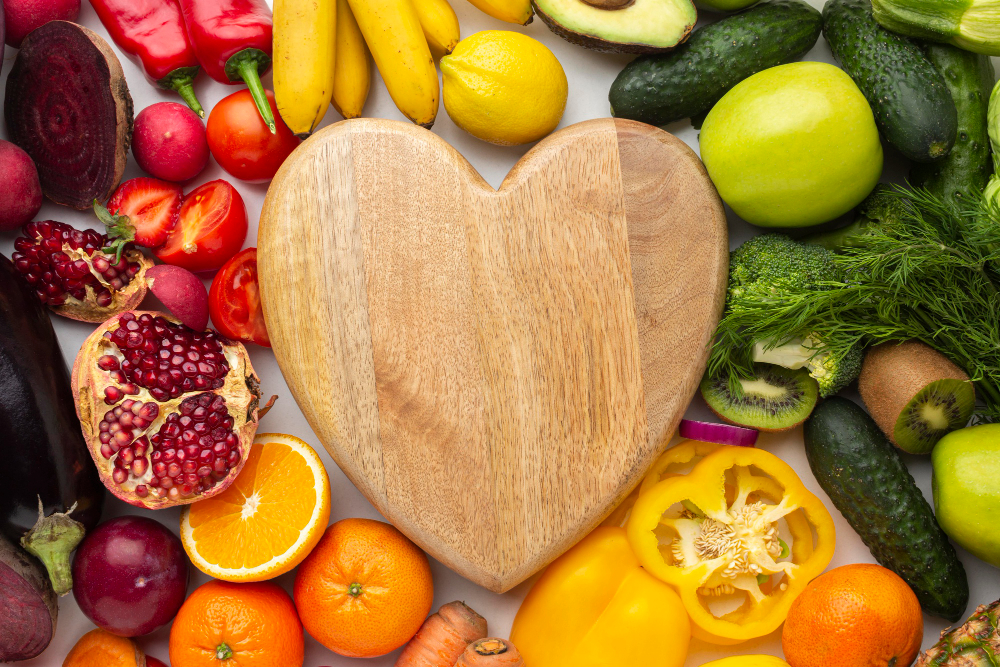
1) Antioxidant-Rich Fruits and Vegetables (Daily)
Antioxidants help protect sperm from oxidative stress—one of the most common causes of low sperm quality.
Best choices:
- Berries (blueberries, strawberries)
- Pomegranate
- Oranges, kiwi
- Tomatoes (cooked is even better)
- Spinach, kale, broccoli, bell peppers
Easy habit: Add 2 fruits + 2 vegetables daily.
2) Healthy Fats for Hormones (Omega-3)
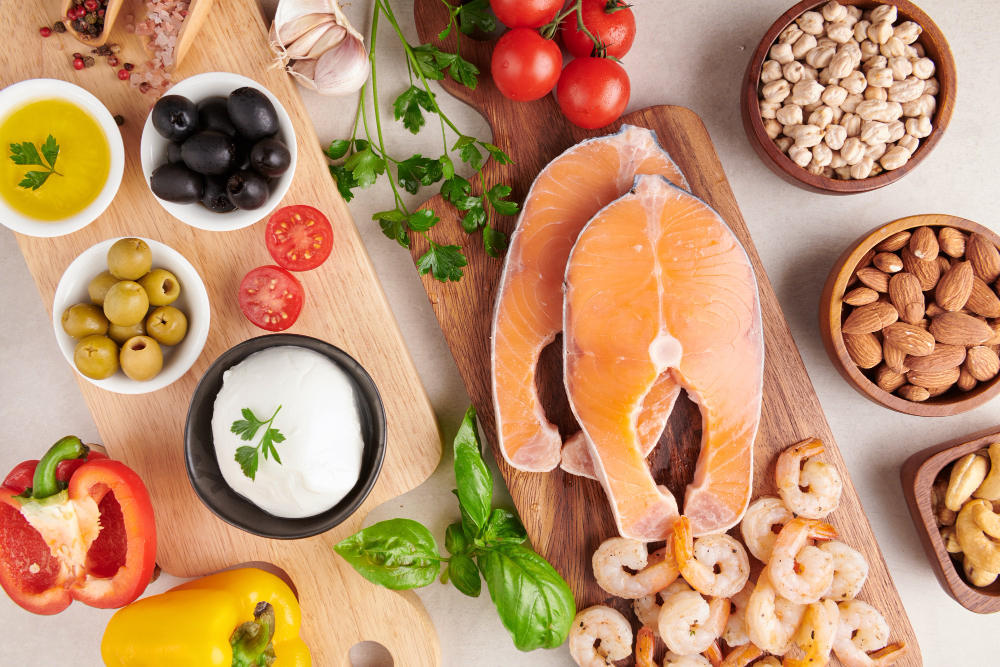
Your hormones are built from fats. A diet too low in healthy fats can affect testosterone and sperm quality.
Best foods to improve sperm count and motility:
- Salmon, sardines, mackerel
- Walnuts
- Chia seeds, flaxseeds
- Extra virgin olive oil
- Avocado
Simple tip: Aim for fatty fish 2 times per week.
3) Zinc and Selenium Foods (Key Minerals)
These minerals are strongly linked with sperm production and testosterone support.
Zinc-rich foods:
- Oysters (highest), shrimp
- Beef, turkey
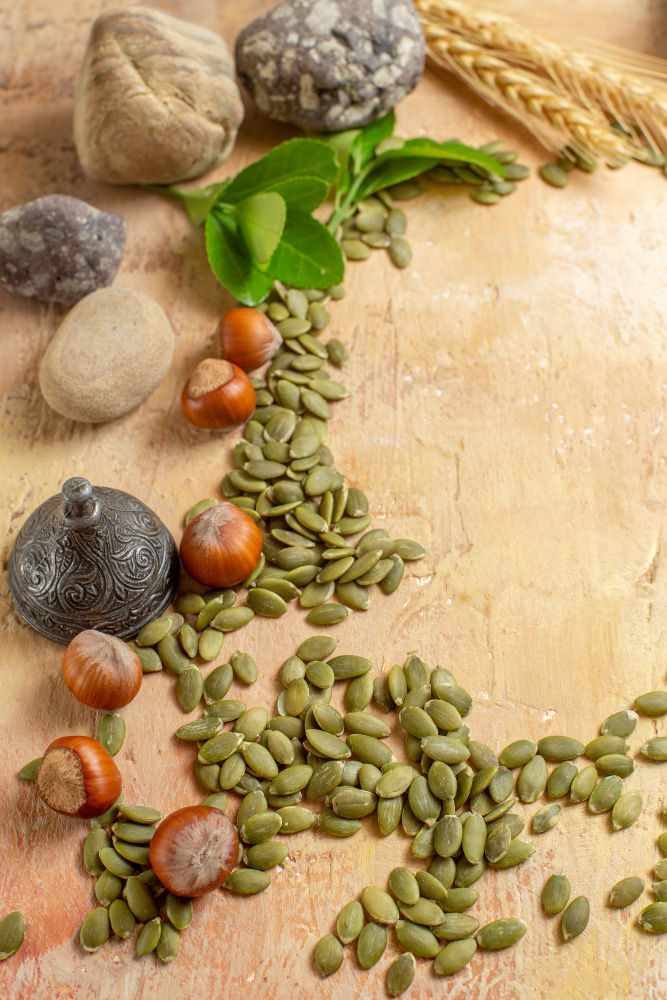
- Pumpkin seeds
- Chickpeas, lentils
Selenium-rich foods:
- Brazil nuts (1–2 per day is enough)
- Eggs
- Tuna
- Sunflower seeds
Quick snack idea: Yogurt + pumpkin seeds + berries.
4) Folate + Vitamin B12 (Sperm DNA Support)
Folate and B12 help support sperm DNA and healthy cell formation.
Top foods:
- Leafy greens
- Lentils, beans
- Eggs
- Milk, yogurt
- Fish and lean meats
If you eat mostly plant-based, B12 becomes even more important.
5) Vitamin C + Vitamin E (Sperm Protection)
Vitamin C supports sperm count and reduces oxidative stress. Vitamin E helps protect sperm membranes.
Vitamin C foods: citrus, kiwi, guava, bell peppers
Vitamin E foods: almonds, sunflower seeds, olive oil, spinach
Practical tip: Add a citrus fruit daily (orange/kiwi) and a handful of nuts.
6) CoQ10 and L-Carnitine Foods (Energy for Motility)
Sperm need energy to move well. Some nutrients support sperm energy and motility.
CoQ10 foods:
- Sardines, mackerel
- Organ meats (if you eat them)
- Whole grains
L-carnitine foods:
- Red meat (in moderation)
- Fish
- Dairy
You don’t need extreme changes—small consistent improvements work.
Foods and Habits That Can Hurt Male Fertility
Improving male fertility foods and lifestyle tips also means reducing what harms sperm.
Limit These for Better Sperm Quality
- Processed meats (sausages, fast food)
- Trans fats (fried snacks, packaged bakery items)
- Excess sugar (sodas, sweets daily)
- Heavy alcohol (especially binge drinking)
- Smoking/vaping (major impact on sperm DNA and motility)
Caffeine note: Moderate coffee is usually fine, but avoid energy drinks and very high caffeine intake.
Lifestyle Tips to Boost Male Fertility Naturally
Food is powerful, but lifestyle often makes the biggest difference. Use these lifestyle tips to boost male fertility naturally in a realistic way.
1) Maintain a Healthy Weight (Not Extreme)
Being significantly overweight or underweight can affect testosterone and sperm quality.
Simple approach:
- Walk daily
- Eat balanced meals
- Focus on consistency, not crash diets
Even a small weight improvement can help.
2) Exercise Smart (But Don’t Overdo It)
Exercise improves insulin sensitivity, circulation, mood, and hormone balance.
Best routine:
- Strength training: 2–4 days/week
- Light cardio: 2–5 days/week (walking, cycling, jogging)
Avoid excessive intense training with poor recovery—it may reduce testosterone in some men.
3) Sleep 7–9 Hours for Hormones
Sleep directly affects testosterone and recovery.
Better sleep basics:
- Fixed sleep schedule
- No heavy meals late night
- Reduce screen time 30–60 minutes before bed
- Keep the room cool and dark
4) Manage Stress (Because Cortisol Matters)
Chronic stress increases cortisol, which can reduce testosterone and affect libido.
Try:
- 10-minute breathing
- Daily walk outside
- Short mindfulness practice
- Journaling or prayer (if you prefer)
A calm mind supports better hormone balance.
5) Avoid Heat Exposure (Important!)
Sperm production works best when testicles stay cooler than body temperature.
Avoid:
- Hot tubs, very hot baths frequently
- Laptop on lap for long periods
- Tight underwear all day
- Long sauna sessions (especially daily)
Easy fix: Switch to looser underwear and keep laptops on a desk.
6) Reduce Toxins and Plastics Exposure
Some chemicals may act like hormone disruptors.
Simple swaps:
- Use glass or steel water bottles
- Don’t microwave food in plastic
- Wash fruits/vegetables well
- Ventilate your home during cleaning
A Simple 90-Day Male Fertility Diet Plan (Practical Example)
You don’t need perfection. You need a repeatable plan.
Daily Foundation (Most Days)
- Breakfast: Eggs + whole grain toast + fruit
- Lunch: Lentils/beans or chicken + salad + olive oil
- Snack: Nuts + yogurt + berries
- Dinner: Salmon (or other protein) + vegetables + brown rice/quinoa
- Hydration: 2–3 liters water
Weekly Add-Ons
- Fatty fish 2x/week
- Pumpkin seeds most days
- Brazil nut 1–2/day
- Leafy greens 4–6 days/week
This pattern supports a male fertility diet plan for better sperm quality without being complicated.
When to Consider a Doctor Visit
Lifestyle can help a lot, but sometimes you need medical guidance.
Consider seeing a doctor or fertility specialist if:
- You’ve been trying for 12 months (or 6 months if partner is 35+)
- You have erectile dysfunction, low libido, or known hormone issues
- You had past testicular injury, surgery, or infections
- You have varicocele (common, treatable issue)
A simple semen analysis can provide clarity.
FAQs (Keyword-Rich Answers)
1) How can I increase sperm motility fast naturally?
To improve motility faster, focus on the basics daily: omega-3 foods, antioxidants (berries, leafy greens), good sleep, stress reduction, and avoiding heat exposure. Many men see improvement over 70–90 days, which matches the sperm development cycle.
2) What are the best foods to improve sperm count and motility?
The best male fertility foods include fatty fish (omega-3), pumpkin seeds (zinc), Brazil nuts (selenium), leafy greens (folate), berries (antioxidants), eggs, and olive oil. These support hormones, sperm production, and sperm protection.
3) Does alcohol reduce male fertility?
Heavy alcohol intake can reduce testosterone and harm sperm quality. If you are trying to conceive, keep alcohol minimal or avoid it, especially binge drinking.
4) Which vitamins and minerals are important for male fertility?
Commonly important nutrients include zinc, selenium, folate, vitamin C, vitamin E, vitamin D, and omega-3 fats. These nutrients support hormones, sperm DNA health, and antioxidant protection.
5) Can tight underwear reduce sperm quality?
In some men, tight underwear may increase heat around the testicles, which can reduce sperm quality. Switching to looser underwear and avoiding frequent hot baths can be a simple helpful change.
Final Takeaway: Small Changes, Big Results
If you want better sperm health, start with what you can control. Use these male fertility foods and lifestyle tips for the next 90 days:
- Eat antioxidant-rich fruits and vegetables daily
- Add omega-3 fats and mineral-rich seeds/nuts
- Sleep 7–9 hours
- Exercise regularly (not extreme)
- Avoid overheating (hot tubs, laptop on lap)
- Reduce smoking, alcohol, and processed foods
Call to Action (CTA)
Have you tried any male fertility foods and lifestyle tips already? Share your experience in the comments—what worked for you? If you want more simple health guides, subscribe and check the related articles on the blog.
#MaleFertility #FertilityTips #SpermHealth #HealthyDiet #MensHealth #TryingToConceive #HormoneHealth #HealthyLifestyle #NutritionTips #FertilityDiet
With care,
Hassan Tariq
Founder of IdeasBlooming